 EN
EN

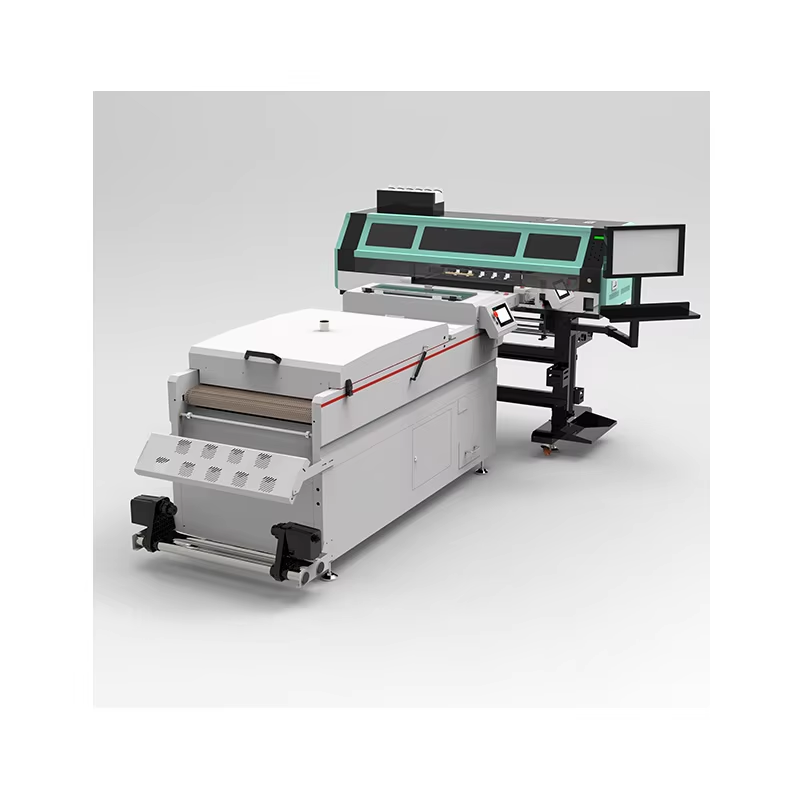
Buying a DTF printer is a significant investment for any print business, and rushing the decision without a structured inspection checklist can lead to costly mistakes. Whether you are setting up a new garment decoration operation or upgrading your existing workflow, knowing exactly what to evaluate before committing to a purchase gives you a decisive advantage. This guide walks you through the most critical inspection points every serious buyer should complete before finalizing any DTF printer deal.
A DTF printer operates by printing designs directly onto a special transfer film, which is then heat-pressed onto fabric. This process demands precision in printhead performance, ink delivery, film handling, and software control. Because every DTF printer on the market claims to deliver professional results, your checklist must go beyond marketing language and focus on verifiable, testable criteria. The sections below break down exactly what to inspect, in order of priority.
Print Quality and Printhead Condition
Evaluating Printhead Output on a DTF Printer
The printhead is the single most important component of any DTF printer. When inspecting a DTF printer, always request a live test print before any agreement is made. Examine the output closely for banding, color inconsistency, missing nozzles, or uneven saturation. A DTF printer with a compromised printhead will produce inferior transfers regardless of how good the ink or film quality is. Nozzle check patterns should show clean, fully filled rows with no gaps or deflection.
Industrial DTF printer models often use printheads such as the Epson i3200 series, which are valued for their durability and precision. Confirm which printhead generation is installed in the DTF printer you are evaluating, as this directly affects replacement cost and long-term maintenance planning. A newer or well-maintained printhead on a DTF printer translates to a longer productive lifespan before servicing is required.
Color Accuracy and White Ink Performance
White ink is the foundation of every DTF printer transfer, especially when printing on dark fabrics. Inspect how the DTF printer handles white ink layering by reviewing test prints on both dark and light film backgrounds. White ink in a DTF printer is prone to settling and clogging if the machine has been idle, so ask about the maintenance history and ink circulation system. A DTF printer with an automatic white ink stirring or recirculation mechanism significantly reduces downtime and waste.
Mechanical Build and Media Handling
Frame Rigidity and Print Width on a DTF Printer
The physical construction of a DTF printer determines its reliability under continuous production conditions. Inspect the frame for rigidity, checking that the gantry and carriage rails show no visible play or misalignment. A DTF printer with a robust steel or aluminum frame maintains consistent print head height across the full print width, which is essential for sharp edge definition. Common DTF printer widths include 30 cm, 60 cm, and wider industrial formats. A 60 cm DTF printer offers a strong balance between versatility and throughput for most commercial operations.
Check how the DTF printer feeds and tensions the transfer film during printing. Film misalignment or slack causes registration errors and wasted material. On a quality DTF printer, the film feeding mechanism should advance smoothly without hesitation or lateral drift. Ask the seller to run a continuous print job of several meters so you can observe the DTF printer's film handling behavior under real operating conditions.
Heating System and Powder Adhesion Unit
Some DTF printer configurations include an integrated powder shaker and curing oven as part of a complete inline system. When inspecting a DTF printer setup, verify that the curing temperature is consistent across the full film width. Uneven curing produces transfers with inconsistent adhesion, which fails during heat pressing. If the DTF printer does not include an inline curing station, ensure that the standalone powder and curing unit you plan to pair with it is compatible in terms of film width and throughput speed.
Software, Connectivity, and Support Infrastructure
RIP Software Compatibility for a DTF Printer
Every professional DTF printer requires a RIP software solution to manage color profiles, white ink underbase settings, and print queue management. Before finalizing your DTF printer purchase, confirm which RIP software is included or recommended, and verify that it supports the color output standards your clients expect. A DTF printer sold without a licensed and tested RIP workflow creates additional cost and integration delays. Test the RIP interface during your inspection to confirm it communicates correctly with the DTF printer and produces accurate color output on the test print.
Connectivity options on a modern DTF printer should include stable USB and Ethernet connections at a minimum. Ask whether the DTF printer supports remote monitoring or diagnostics, which becomes valuable in a busy production environment. Firmware update availability is another signal that the DTF printer is actively supported by the manufacturer, reducing the risk of obsolescence shortly after purchase.
After-Sales Support and Spare Parts Availability
A DTF printer is only as reliable as the support system behind it. Before buying, confirm that the supplier offers documented warranty terms, responsive technical support, and accessible spare parts for the specific DTF printer model you are considering. Printhead replacements, dampers, ink tubes, and maintenance kits should be readily available. A DTF printer with poor parts availability becomes a production bottleneck the moment a serviceable component fails. Request references or case studies from current users of the same DTF printer model to validate the supplier's support claims independently.
FAQ
What print width should I choose when buying a DTF printer?
A 60 cm DTF printer is a popular choice for commercial operations because it accommodates most garment sizes and offers strong productivity. Smaller DTF printer formats suit lower volume or sampling work, while wider industrial DTF printer models are better suited for high-volume continuous production. Choose based on your average order size and expected monthly output volume.
How do I verify ink quality when inspecting a DTF printer?
Request a test print on the actual DTF printer using the ink currently loaded. Evaluate color vibrancy, white ink opacity, and transfer wash durability on a pressed fabric sample. A reliable DTF printer supplier should be able to provide wash test results or demonstrate the adhesion quality of their standard ink set on common fabric types.
Is an integrated powder shaker necessary with a DTF printer?
An integrated powder shaker significantly improves consistency and throughput when operating a DTF printer in a production environment. Manual powder application introduces variation and slows the workflow. For high-volume operations, a DTF printer paired with an inline shaker and curing unit reduces labor, improves transfer quality, and supports faster turnaround times compared to a standalone DTF printer setup.