 EN
EN

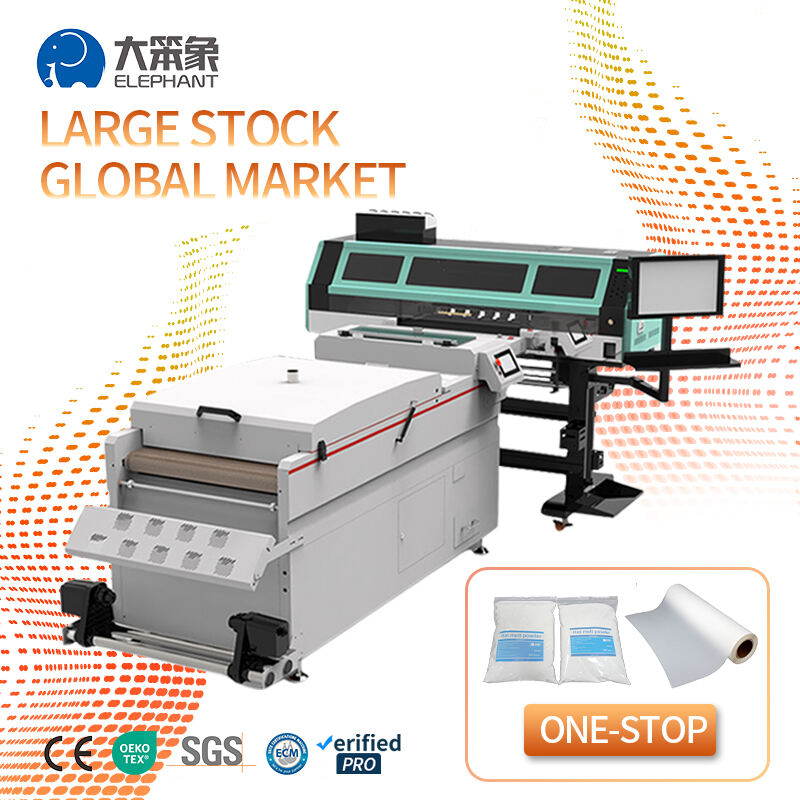
For small and medium-sized enterprises entering the custom apparel market, choosing the right DTF printer has become one of the most operationally critical decisions of 2026. A DTF printer delivers direct-to-film output that can be transferred onto virtually any fabric, giving SMEs the versatility they need to serve diverse customer orders without investing in multiple printing systems. As production volumes grow and client expectations rise, understanding exactly how a DTF printer performs under real SME workloads is essential before committing capital.
Efficiency in a DTF printer is not simply about print speed. For an SME, efficiency encompasses ink consumption, maintenance downtime, substrate flexibility, and the total cost per print. A DTF printer that runs fast but requires constant head cleaning or wastes film during setup can erode profit margins quickly. This guide breaks down the core efficiency factors that SMEs should evaluate when selecting a DTF printer in 2026, helping decision-makers invest wisely and scale confidently.
Key Efficiency Metrics Every SME Must Assess
Print Speed and Throughput Rate
Print speed is often the first specification SMEs check when evaluating a DTF printer. A high-quality DTF printer designed for industrial use can achieve output speeds that keep pace with daily order volumes typical of a growing SME. However, raw print speed must be evaluated alongside actual throughput, meaning the number of completed, transfer-ready prints produced per hour under real operating conditions. A DTF printer with a top speed of 12 square meters per hour under standard mode may deliver fewer usable prints per shift if warm-up time, ink shaking cycles, or film feeding adjustments are frequent. SMEs should always request throughput data under production-level settings rather than ideal lab conditions.
When comparing DTF printer models, look at whether the machine supports dual-print-head configurations or variable drop size control, both of which directly impact throughput quality. An industrial-grade DTF printer using Epson i3200 print heads, for example, offers fine dot placement and faster firing frequencies than entry-level alternatives. Higher head precision in a DTF printer means fewer reprints, less film waste, and more consistent transfers across long production runs.
Ink Efficiency and Consumption Control
Ink cost is one of the most significant ongoing expenses for any SME operating a DTF printer. Evaluating how a DTF printer manages ink consumption is therefore critical to understanding true operational efficiency. A well-engineered DTF printer will use precise ink delivery systems that minimize waste during priming and prevent excessive consumption during white ink recirculation. White ink management is particularly important in a DTF printer because white ink is used as the adhesion layer and is consumed in virtually every print job. SMEs should evaluate whether the DTF printer includes automated white ink stirring or circulation systems, which prevent pigment settling and reduce waste significantly over time.
Maintenance Requirements and Operational Downtime
Head Maintenance and Cleaning Cycles
A DTF printer that requires excessive head cleaning cycles will generate both direct ink waste and indirect time cost. For an SME running a DTF printer across multiple shifts, unplanned downtime from clogged heads or failed nozzle checks can severely disrupt order fulfillment. The most efficient DTF printer designs in 2026 incorporate automatic nozzle check routines, self-cleaning caps, and ink damper systems that reduce the frequency of manual intervention. SMEs should ask suppliers how often the DTF printer requires a full head flush and what the estimated ink consumption per cleaning cycle is, as these figures have a direct impact on monthly operating costs.
Preventive maintenance scheduling is equally important. A DTF printer that has clearly documented maintenance intervals and accessible service components allows SME operators to plan around maintenance windows rather than react to unexpected failures. Choosing a DTF printer with strong after-sales support ensures that any technical issue can be resolved quickly, minimizing the risk of costly production halts.
Film Feeding Reliability and Waste Reduction
Film feeding consistency is a mechanical efficiency factor that separates professional-grade DTF printer models from budget alternatives. A DTF printer with reliable roll-to-roll film feeding minimizes misalignment errors that lead to reprints and wasted film. For an SME processing hundreds of transfers per day, even a small reduction in film waste per job translates into meaningful material savings across the month. Evaluating the DTF printer's film tension controls, edge sensors, and feeding speed consistency will give a realistic picture of how the machine performs during high-volume production runs.
Total Cost of Ownership for SME Operations
Upfront Investment versus Long-Term Value
SMEs evaluating a DTF printer in 2026 must look beyond the purchase price and calculate total cost of ownership over a realistic operational lifespan. A DTF printer with a lower upfront cost may carry higher ink consumption rates, shorter head lifespan, or limited technical support, all of which increase total costs over time. Conversely, an industrial DTF printer built with precision components and backed by a responsive support network will often deliver a lower cost per print over its working life. When calculating value, SMEs should factor in ink cost per square meter, expected head replacement intervals, and the estimated daily productive output of the DTF printer under their specific order mix.
Scalability and Production Flexibility
One of the clearest efficiency advantages of a modern DTF printer for SMEs is the ability to scale production without switching platforms. A professional DTF printer can handle short custom runs and longer standard batches using the same workflow, reducing the operational complexity that comes from managing multiple decoration methods. As an SME grows, having a DTF printer that supports wider print formats, faster modes, and compatible peripheral equipment such as powder application units and curing ovens allows production capacity to expand without replacing the core machine. Evaluating the DTF printer's upgrade compatibility and peripheral ecosystem is therefore a forward-looking efficiency consideration that SMEs should include in their 2026 procurement decisions.
FAQ
What print width should an SME look for in a DTF printer?
Most SMEs find that a DTF printer with a 60cm print width offers the best balance between versatility and cost efficiency. A 60cm DTF printer can accommodate standard garment sizes and gang-sheet layouts that maximize film utilization, making it well-suited for typical SME order volumes without the higher operating costs of wider industrial DTF printer formats.
How does white ink management affect DTF printer efficiency?
White ink is the most consumed ink in any DTF printer and is directly tied to adhesion quality on fabric transfers. A DTF printer with an automated white ink circulation system prevents pigment settling, reduces manual stirring time, and lowers waste from flush cycles. Proper white ink management in a DTF printer can reduce monthly ink costs noticeably for high-volume SME operations.
Is an industrial DTF printer worth the investment for a small business?
For an SME producing more than 50 to 100 transfers per day consistently, an industrial DTF printer offers a compelling return on investment. The lower cost per print, greater mechanical durability, and faster throughput of an industrial DTF printer outweigh the higher upfront cost when production volume justifies continuous operation. SMEs should evaluate their current and projected order volumes carefully before deciding between an entry-level and an industrial DTF printer.