 EN
EN

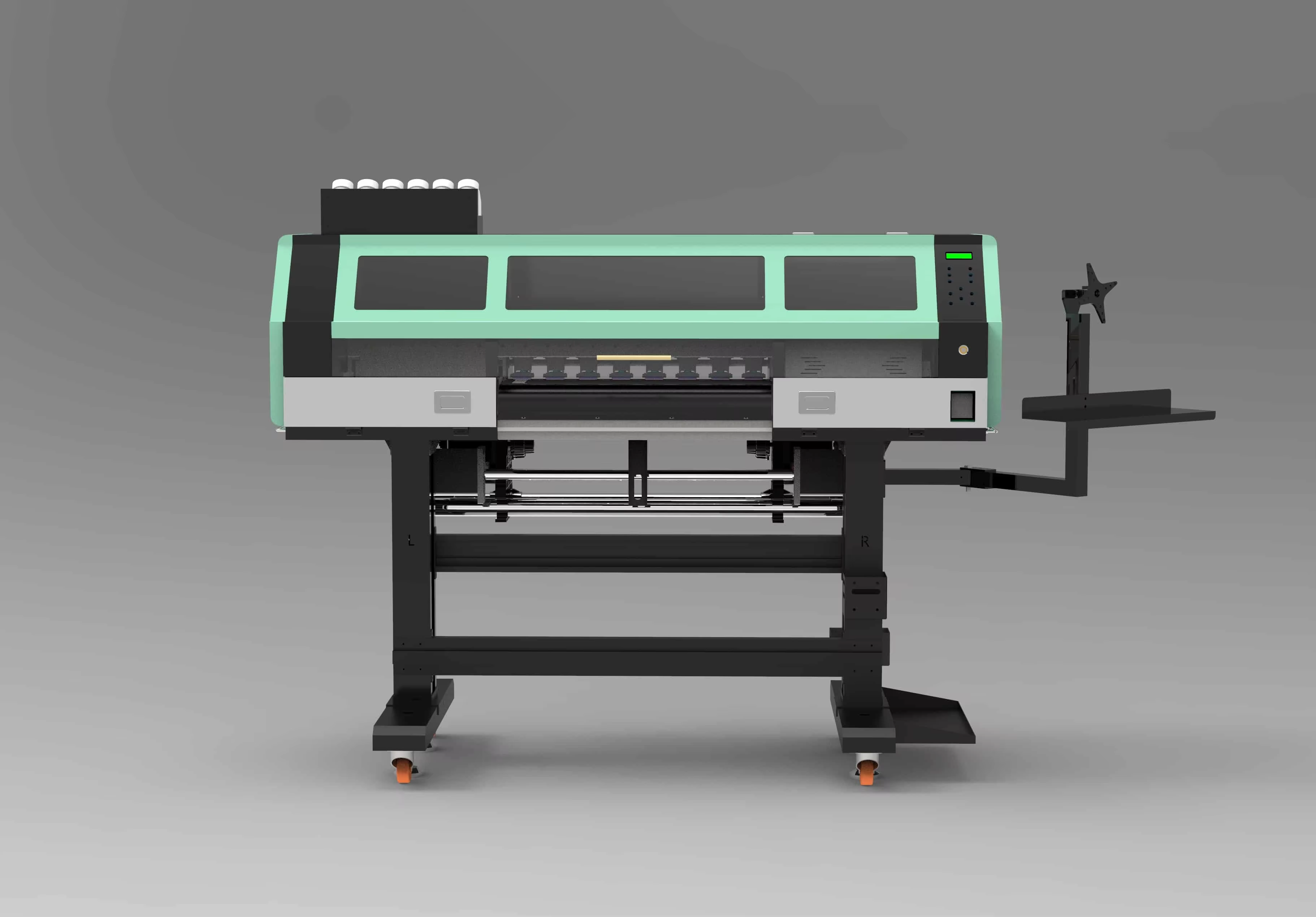
Manufacturing teams across industries are rethinking their decoration and labeling workflows, and DTF printers are at the center of that shift. DTF printers deliver full-color, high-resolution transfers directly onto film, which can then be applied to virtually any substrate. As manufacturing demands grow more complex, DTF printers offer a production path that balances speed, quality, and operational flexibility in ways that older methods simply cannot match.
The transformation that DTF printers bring to manufacturing is not merely technical. DTF printers change how production lines are organized, how quickly teams can respond to custom orders, and how efficiently resources are used. Understanding the specific ways DTF printers reshape manufacturing processes helps decision-makers invest with clarity and confidence. This article breaks down exactly how DTF printers accomplish that transformation across three critical dimensions.
Streamlining Production Workflows with DTF Printers
Eliminating Bottlenecks in Decoration and Transfer
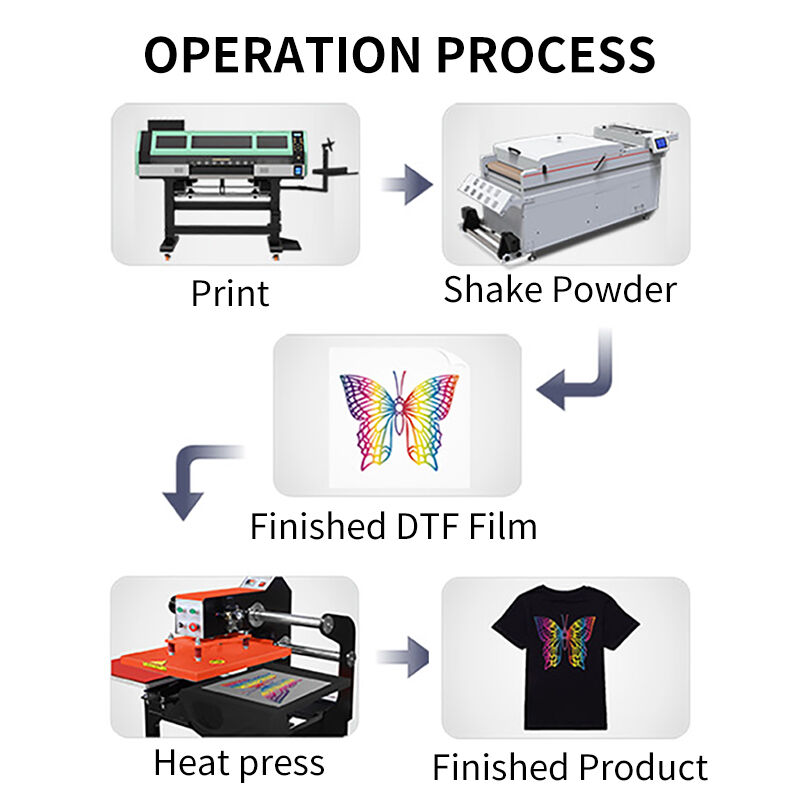
Traditional decoration methods such as screen printing require setup times that can take hours per job, including frame preparation, ink mixing, and curing cycles. DTF printers remove many of these bottlenecks entirely. With DTF printers, operators load a digital file, print onto film, apply hot-melt powder, and cure the transfer in a single continuous process. This streamlined sequence means DTF printers can handle short-run and long-run jobs with equal efficiency, dramatically reducing idle time on the production floor.
DTF printers also reduce the dependency on multiple machines for a single job. Because DTF printers consolidate printing and transfer preparation into one workflow, manufacturers can reallocate floor space and labor toward higher-value tasks. The fewer handoffs a job requires, the fewer opportunities there are for errors or delays. DTF printers take advantage of that principle to keep production moving consistently.
Supporting Just-in-Time Manufacturing Demands
Modern manufacturing increasingly relies on just-in-time principles, where components and finished goods are produced only as needed. DTF printers align naturally with this philosophy. Because DTF printers do not require minimum order quantities or pre-made screens, they allow manufacturers to produce decorated items in small batches without cost penalties. This capability means DTF printers help manufacturers reduce inventory risk and respond faster to changing customer specifications.
When last-minute design changes occur, DTF printers handle them without costly restarts. A new file replaces the old one, and DTF printers begin producing the updated design almost immediately. That agility transforms how manufacturers manage custom and semi-custom product lines, making DTF printers essential tools in dynamic production environments.
Expanding Customization Capabilities Through DTF Printers
Achieving Complex Graphics Across Diverse Substrates
One of the most significant ways DTF printers transform manufacturing is by enabling complex, multi-color graphics on substrates that previously posed serious challenges. DTF printers are not limited by substrate color or texture in the way that direct-to-garment or screen-printing methods often are. Whether the material is dark, textured, synthetic, or mixed-fiber, DTF printers produce consistent, vibrant results. Manufacturers using DTF printers can confidently offer clients designs with photographic detail, gradients, and fine lines without compromising output quality.
This substrate versatility gives manufacturers using DTF printers a significant competitive advantage. A single set of DTF printers can serve apparel lines, promotional product divisions, workwear programs, and accessory manufacturing simultaneously. The ability of DTF printers to cross product categories within one facility reduces the need to invest in separate specialized equipment for each market segment.
Enabling Rapid Prototyping and Sample Production
Product development cycles shrink when DTF printers are part of the manufacturing toolkit. Design teams can submit artwork in the morning and receive physical samples by the afternoon, because DTF printers need no plates, screens, or film negatives. This rapid prototyping capacity powered by DTF printers shortens the approval process between clients and manufacturers, allowing collections and product lines to reach the market faster. For manufacturers competing on speed-to-market, DTF printers provide a measurable advantage at the sampling stage.
Reducing Operational Costs with DTF Printers
Lowering Setup and Material Costs
Every production run that begins with DTF printers avoids the setup costs associated with traditional methods. There are no screens to burn, no plates to make, and no excess ink to discard after a run. DTF printers use ink only for the pixels actually printed, which means ink consumption scales precisely with the decoration area. Manufacturers running high-mix, low-volume production schedules find that DTF printers dramatically cut per-unit material costs compared with methods that require fixed setup investments regardless of order size.
Maintenance profiles for DTF printers are also more predictable than those for older analog equipment. Industrial-grade DTF printers are engineered for sustained throughput with maintenance intervals that manufacturers can plan around. When downtime is predictable and controllable, production scheduling becomes more reliable, and cost overruns are easier to prevent. DTF printers thus contribute to tighter budget management across the manufacturing operation.
Optimizing Labor Efficiency Across Production Lines
DTF printers require fewer operators per unit of output compared with multi-step traditional processes. A single trained operator can manage multiple DTF printers running simultaneously, whereas screen printing lines typically require dedicated staff at each stage. As labor costs rise in most manufacturing markets, the operator-to-output ratio that DTF printers enable becomes a meaningful cost advantage. Facilities that adopt DTF printers often find they can scale decorated goods output without proportionally increasing headcount.
The digital nature of DTF printers also reduces skill barriers for new operators. Because DTF printers rely on software-driven color management and file-based job queues, new team members reach productive output levels more quickly than on traditional analog equipment. This training efficiency helps manufacturers maintain output continuity even during workforce transitions, making DTF printers a strategically sound investment for long-term operational resilience.
FAQ
What types of materials can DTF printers work with in a manufacturing environment?
DTF printers are compatible with a wide range of substrates, including cotton, polyester, nylon, leather, and blended fabrics. Because the transfer film acts as an intermediate carrier, DTF printers are not restricted by substrate color or surface texture, making them suitable for diverse manufacturing applications.
How do DTF printers compare to screen printing for high-volume production?
For high-volume runs with a single static design, screen printing can still be cost-competitive. However, DTF printers outperform screen printing when orders involve multiple designs, small batches, frequent changeovers, or complex multi-color artwork. Manufacturers handling mixed-order profiles typically find DTF printers deliver better overall efficiency and lower total cost per job.
What maintenance does industrial DTF printers typically require?
Industrial DTF printers generally require regular printhead cleaning, ink circulation checks, and powder-adhesive system maintenance. Manufacturers should follow the service schedules recommended by the equipment supplier to keep DTF printers operating at peak performance. Planned maintenance for DTF printers is straightforward and can typically be performed by in-house technicians with basic training.