 EN
EN

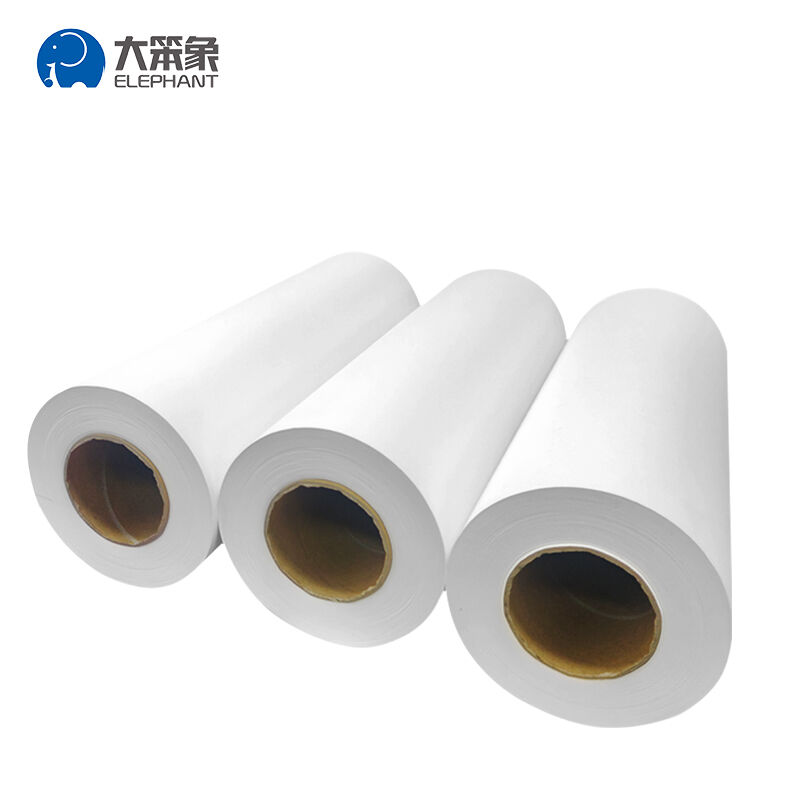
Choosing the right sublimation paper is one of the most important decisions a fabric printer or garment decorator can make. The wrong sublimation paper can lead to washed-out colors, poor ink absorption, misaligned transfers, and wasted production runs. Whether you operate a high-volume textile facility or a boutique custom printing studio, understanding what separates a reliable sublimation paper from an inferior one helps you produce consistent, professional results every time.
This guide walks through the critical selection factors for sublimation paper, covering weight options, coating quality, ink compatibility, and application fit. By understanding these practical tips, you will be better equipped to match your sublimation paper choice to your specific printing environment, substrate type, and production speed requirements. Every detail matters when color accuracy and transfer efficiency are on the line.
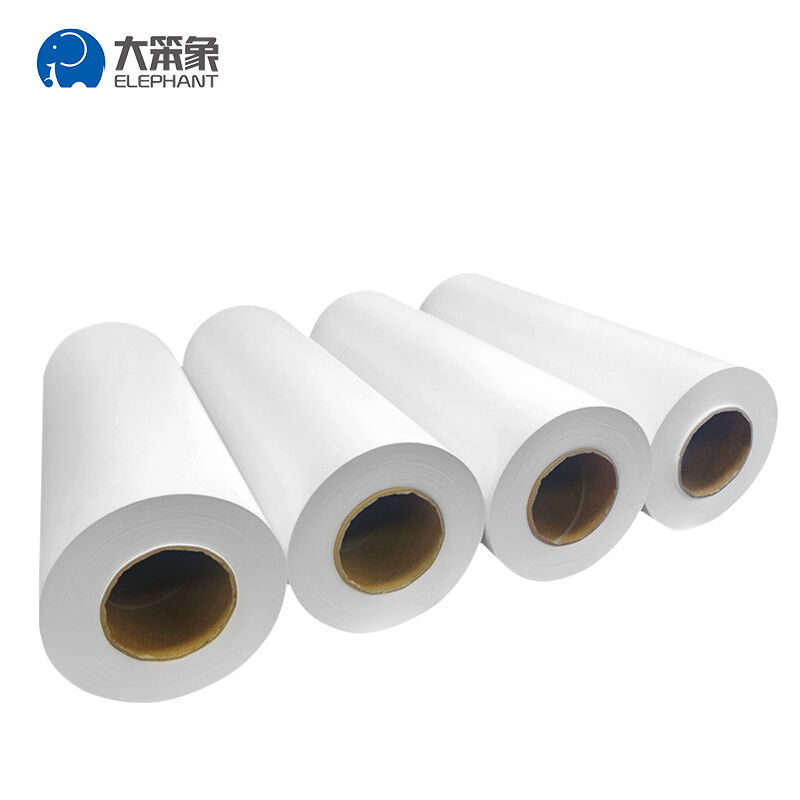
Understanding Sublimation Paper Weight and Its Impact
How Grammage Affects Ink Absorption and Transfer
Sublimation paper is available in a range of grammages, typically from 30g to 100g per square meter. The weight of your sublimation paper directly influences how much ink it can hold before bleeding or ghosting occurs during the heat press stage. Lighter sublimation paper, such as 30g or 33g, dries extremely fast and works well in high-speed roll-to-roll production environments where throughput is the priority. Heavier sublimation paper, such as 90g or 100g, holds more ink and is better suited for detailed designs with dense ink coverage.
When selecting sublimation paper by weight, always consider your printer speed, ink volume per pass, and the drying capacity of your equipment. Using a sublimation paper that is too heavy for your printer's drying system can result in smearing, while sublimation paper that is too light may not handle heavy ink loads on complex color designs. Finding the right weight balance is key to maximizing both image quality and production efficiency.
Matching Sublimation Paper Weight to Fabric Type
Different fabric substrates require different sublimation paper weights to achieve optimal ink transfer. For lightweight polyester sportswear and performance textiles, a medium-weight sublimation paper around 44g to 60g typically delivers crisp transfers without oversaturating the substrate. For heavier polyester blends or upholstery fabrics, a sublimation paper in the 70g to 90g range provides the ink reservoir depth needed for full, vibrant color penetration. Matching sublimation paper weight to your target fabric prevents under-transfer and ensures that colors appear as designed after pressing.
Evaluating Coating Quality and Ink Compatibility
Why the Coating Layer on Sublimation Paper Matters
The coating applied to sublimation paper is the functional layer that determines how ink is held, dried, and released during heat transfer. A high-quality sublimation paper features a uniform, smooth coating that accepts dye-sublimation ink without spreading or puddling. Poor coating evenness results in visible color banding, uneven ink release, and color shifts that make the final printed product appear inconsistent. When evaluating sublimation paper, look for coating uniformity, surface smoothness, and ink dry time as primary quality indicators.
The coating on sublimation paper also affects how well ink gas is released during the heat press cycle. If the sublimation paper coating is too dense or too thin, incomplete gas transfer occurs, leaving dull or faded colors on the fabric. A properly coated sublimation paper releases ink cleanly and completely at the correct temperature and pressure, resulting in sharp edges, accurate tone reproduction, and consistent output across every print run.
Ink System Compatibility with Sublimation Paper
Not all sublimation paper performs equally across different ink systems. Water-based dye-sublimation inks require sublimation paper with specific absorption and release characteristics that differ from solvent-adjacent formulations. Always verify that your chosen sublimation paper is tested and validated for compatibility with your ink brand and printer model. Using mismatched sublimation paper and ink combinations introduces unpredictable color behavior, nozzle clogging risks from backflow, and inconsistent transfer yields. Reputable sublimation paper suppliers provide compatibility charts or test reports to simplify this matching process.
Practical Selection Tips for Different Production Environments
High-Volume Production: Speed and Curl Resistance
In high-volume textile printing operations, sublimation paper must perform reliably at fast printer feed speeds without curling, jamming, or deforming. Curl resistance is a critical property of sublimation paper in continuous roll formats because excessive curl causes registration errors and media feed problems that stop production. Look for sublimation paper with controlled moisture balance and a stable base substrate that resists humidity-induced curl during storage and printing. A reliable sublimation paper in production settings saves downtime, reduces waste, and keeps your output schedule on track.
For high-speed digital textile printing lines, lighter sublimation paper grades between 30g and 44g are often preferred because they dry faster under the printer's heating elements and roll smoothly through high-tension transport systems. These grades of sublimation paper are engineered to maintain dimensional stability even at accelerated print speeds, making them the practical choice for fulfillment operations running multiple shifts per day.
Short-Run and Custom Printing: Color Accuracy and Handling
Short-run and custom printing operations have different demands from sublimation paper compared to mass production environments. When producing small batches or one-off custom orders, color accuracy and ease of handling matter more than raw throughput speed. In these contexts, a medium to heavy sublimation paper in the 60g to 100g range allows printers to manage sheets manually, handle pre-cut sizes without damage, and achieve deep, saturated color output that impresses end customers. The sublimation paper must also lie flat on the heat press platen without shifting during the transfer cycle to ensure precise registration on every order.
When working with cut-sheet sublimation paper formats, always store your sublimation paper in a climate-controlled environment away from direct moisture exposure. Humidity causes sublimation paper to warp and absorb ambient moisture that dilutes ink concentration during printing. Proper storage of sublimation paper extends shelf life and preserves coating integrity, protecting the quality of every print job from first sheet to last.
FAQ
What is the best sublimation paper weight for polyester sportswear?
For polyester sportswear and performance apparel, a sublimation paper in the 44g to 60g range typically delivers the best balance of ink absorption and transfer efficiency. This weight of sublimation paper dries quickly, minimizes ghosting, and releases ink cleanly onto lightweight polyester fabric during heat pressing.
Can sublimation paper be used with any dye-sublimation printer?
Most sublimation paper is designed for use with water-based dye-sublimation ink systems and is compatible with a wide range of digital textile printers. However, it is always recommended to verify that the sublimation paper you choose is tested for your specific printer model and ink formulation to ensure consistent results and avoid compatibility issues.
How should sublimation paper be stored to maintain quality?
Sublimation paper should be stored in a cool, dry environment with controlled humidity, ideally between 40% and 60% relative humidity. Exposure to excess moisture causes sublimation paper to curl, warp, or absorb ambient water vapor, which degrades coating performance and reduces ink transfer quality. Always reseal unused sublimation paper in its original packaging between print runs.