 EN
EN

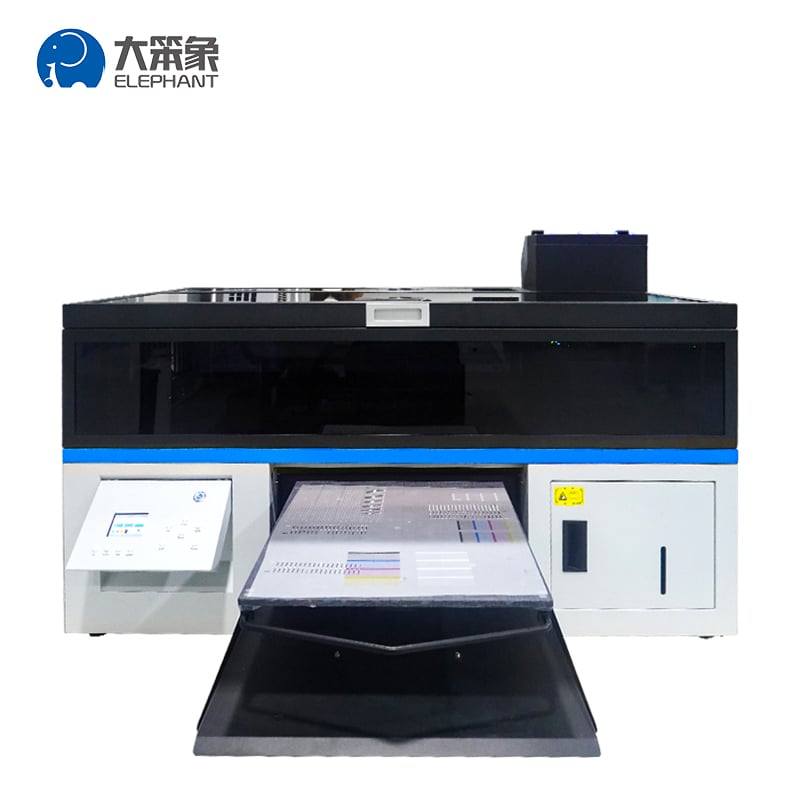
A dtg printer represents one of the most transformative technologies in the custom apparel industry today. Direct-to-garment printing has fundamentally changed how businesses approach product customization, offering unprecedented flexibility in design complexity and production scale. Whether you operate a small print shop, manage corporate merchandise programs, or run an e-commerce clothing brand, understanding the business value and practical applications of a dtg printer is essential to staying competitive in today's market.
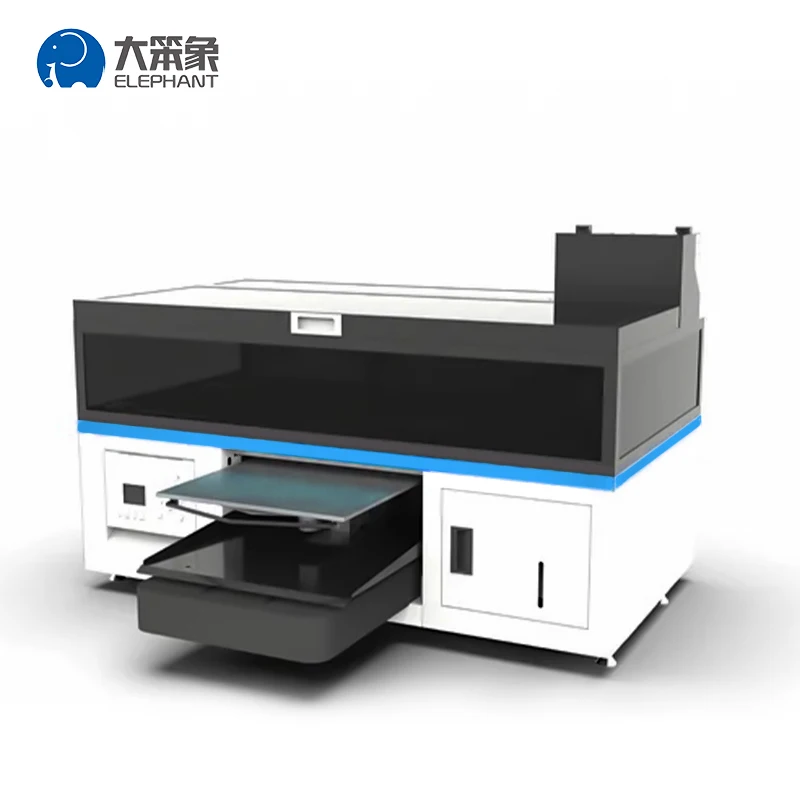
The strategic importance of a dtg printer extends far beyond simple color reproduction. A dtg printer enables businesses to produce small batches profitably, eliminate minimum order quantities that traditional printing methods require, and maintain design inventory without physical storage constraints. This operational flexibility creates immediate competitive advantages, especially in markets where customer preferences shift rapidly and where personalization drives purchase decisions. Understanding how a dtg printer functions and where it fits within your production workflow is the first step toward maximizing its potential.
How DTG Printers Work and Deliver Business Value
The Technology Behind DTG Printer Performance
A dtg printer works by injecting specialized fabric inks directly onto garment surfaces using print-head technology similar to photo inkjet systems, but engineered specifically for textile applications. The dtg printer first applies a pre-treatment solution to the garment to prepare the fabric for ink absorption and color vibrancy. Once the garment is pre-treated, the dtg printer deposits layers of color ink in precise patterns determined by your digital design file. A heat-setting process then cures the ink permanently into the fabric fibers, resulting in prints that resist fading, cracking, and peeling through numerous wash cycles.
This process makes a dtg printer fundamentally different from screen printing, which requires separate screens for each color, or heat transfer methods, which involve intermediate transfer steps. The dtg printer eliminates these intermediate steps, allowing you to move directly from digital design to finished apparel. The elimination of screen costs, setup time, and production delays means a dtg printer delivers faster turnaround and lower cost-per-unit on small orders compared to traditional methods.
Business Value Delivered by DTG Printer Investment
A dtg printer transforms your business model by enabling print-on-demand production, which fundamentally changes cash flow and inventory risk. Instead of producing large batches upfront and hoping inventory sells, a dtg printer allows you to print only when orders arrive, dramatically reducing capital tied up in unsold stock. This capability is particularly valuable for fashion retailers, custom merchandise providers, and e-commerce platforms where demand forecasting is uncertain and SKU variety is high.
The cost structure of a dtg printer also improves margins on specialized or personalized orders. A dtg printer handles complex, multi-color designs with photographic quality at no additional per-unit cost once the machine is amortized. This means rush orders, one-off designs, and highly detailed artwork all cost the same to produce per garment as simple two-color designs. A dtg printer thus enables you to capture premium pricing on complex customization work while maintaining competitive pricing on standard orders.
Industry Applications and Market Positioning
Vertical Markets Where DTG Printers Drive Growth
A dtg printer is particularly well-suited for promotional merchandise and corporate apparel programs where variety and quick turnaround are competitive priorities. Marketing departments can order updated designs mid-campaign without committing to large minimums, and the dtg printer ensures consistent color accuracy across reprints. Event merchandise providers use a dtg printer to accommodate last-minute design changes and produce commemorative items in small quantities without waste.
Fashion and lifestyle brands leverage a dtg printer to offer personalization features that drive customer engagement and justify premium pricing. A dtg printer enables customizable products—monogrammed gifts, name-printed apparel, bespoke artwork—at production costs that allow profitable margins even on single-unit orders. E-commerce sellers use a dtg printer to power model photography and show samples without maintaining physical inventory, reducing cash conversion cycles while expanding design catalog breadth.
Strategic Positioning Against Competing Technologies
Understanding where a dtg printer fits in your production technology stack is critical for operational planning. A dtg printer excels at low-to-medium volume work, complex multi-color designs, and customized orders, but may not be the most cost-effective choice for high-volume bulk production where screen printing's per-unit economics dominate. A dtg printer is ideal for maximum design flexibility and speed-to-market, while screen printing remains optimal for standardized designs produced in quantities above several thousand units.
The total cost of ownership for a dtg printer includes not only equipment purchase but also pre-treatment solution, specialty inks, maintenance supplies, and operator training. However, the operational flexibility and revenue opportunities a dtg printer creates often justify this investment within 18 to 24 months, depending on your order volume and average order value. Businesses that position a dtg printer as a complement to their existing production capabilities rather than a replacement typically see the fastest return on investment and most stable operational performance.
Maximizing DTG Printer Efficiency and Output Quality
Operational Best Practices for DTG Printer Success
Successful dtg printer operation requires attention to equipment maintenance, ink and pre-treatment selection, and workflow consistency. A dtg printer's print heads are sensitive components that require regular cleaning protocols and genuine maintenance supplies to ensure longevity and print quality consistency. Pre-treatment quality is critical because inconsistent pre-treatment application degrades color saturation and durability results, so investing in reliable pre-treatment spray systems or applicators is essential for a dtg printer to perform at its rated capabilities.
Ink selection also significantly impacts dtg printer output quality and business economics. Premium textile inks designed for your specific dtg printer model deliver superior wash-fastness, color accuracy, and garment feel compared to generic alternatives. While quality inks cost more per unit, the reduction in rework, customer returns, and reprints often makes premium inks the most cost-effective choice for a dtg printer over the equipment's operational life.
Design Considerations and Customer Communication
A dtg printer can handle photographic and complex artwork, but design file preparation significantly impacts final output quality. Customers should provide high-resolution artwork files, typically 300 DPI minimum, in formats that preserve color accuracy and detail. A dtg printer performs best with artwork that accounts for fabric color—designs intended for white garments may appear different on colored garments because a dtg printer prints ink onto the garment rather than creating color through subtractive printing.
Setting customer expectations about fabric suitability and design limitations is crucial for dtg printer service reliability. A dtg printer works best on natural fiber garments or high-quality blends with good ink absorption properties. Polyester-heavy or treated fabrics can cause color bleeding or poor durability, so communicating fabric recommendations protects both your reputation and demonstrates dtg printer expertise to customers.
FAQ
What types of garments can a DTG printer print on?
A dtg printer works best on cotton and cotton-blend garments with good ink absorption properties. Standard t-shirts, hoodies, long-sleeve shirts, and athletic wear are ideal applications for a dtg printer. Specialty items like canvas bags, aprons, and structured garments can be printed with a dtg printer if your specific model includes appropriate handling accessories. Polyester and performance fabrics require specialized treatments or lower-quality ink adhesion when printed with a dtg printer, so fabric composition should be verified before committing orders.
How does DTG printer output compare to screen printing in terms of durability?
A dtg printer produces prints that are durable and wash-fast when proper pre-treatment, quality inks, and heat-setting processes are followed. Professional-grade dtg printer output maintains color vibrancy through 50+ wash cycles under normal conditions, which matches or exceeds most commercial screen printing quality. The key difference is that a dtg printer requires strict adherence to pre-treatment and heat-curing protocols to achieve this durability, whereas screen printing durability depends primarily on ink selection and screen quality.
What is the typical cost per garment for DTG printer production?
A dtg printer production cost depends on garment type, design complexity, and ink coverage but typically ranges from $3 to $8 per shirt in ink and pre-treatment materials alone. The actual cost per garment for a dtg printer operation includes labor, equipment depreciation, and facility overhead, so total production cost varies significantly based on operator efficiency and order volume. A dtg printer becomes most cost-effective when processing complex or customized designs where unit costs remain constant regardless of design complexity, allowing premium pricing that higher-volume traditional methods cannot capture.