 EN
EN

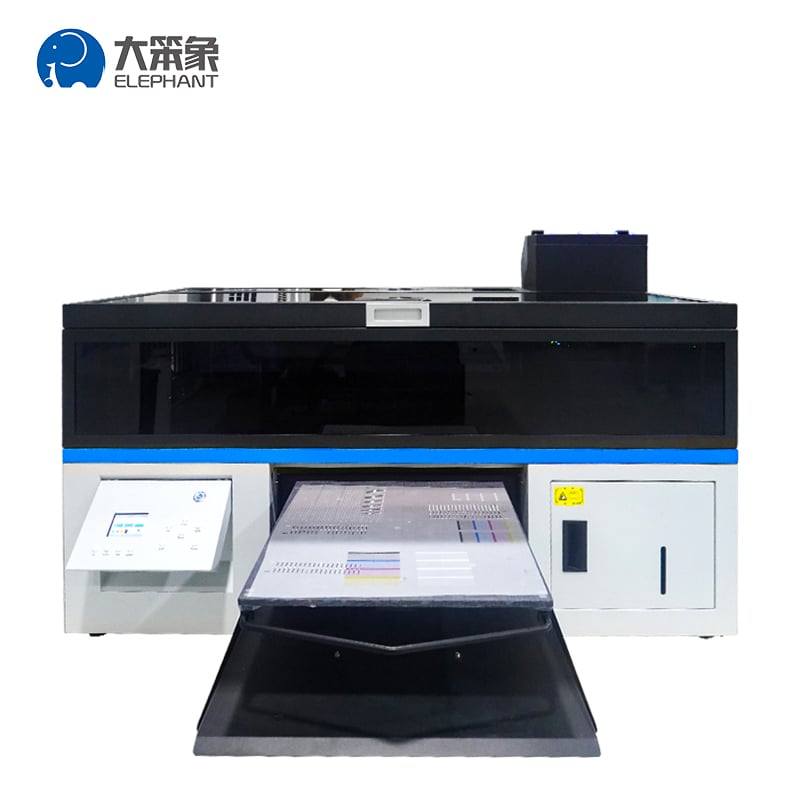
The printing industry is undergoing a significant transformation, and at the center of this evolution stands the dtg printer. Direct-to-garment printing technology has moved from industrial-only equipment into the hands of small business owners, entrepreneurs, and print shops seeking competitive advantages. A dtg printer represents far more than just another piece of equipment; it embodies a fundamental shift in how businesses approach custom apparel production, inventory management, and customer fulfillment. For small business owners wondering whether to invest in this technology, understanding the current landscape and future trajectory becomes essential for strategic decision-making.
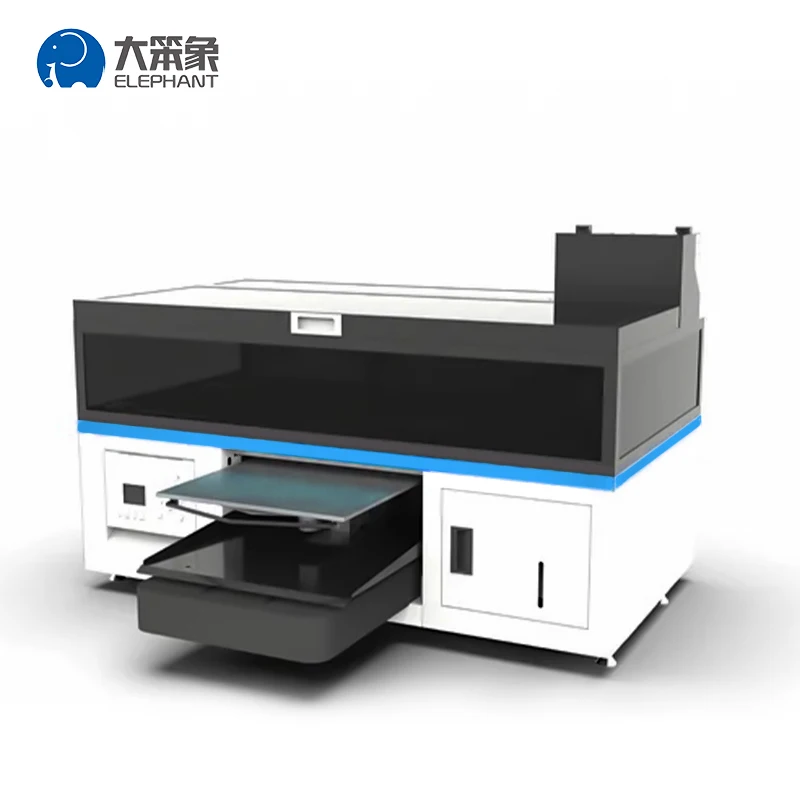
The question of whether a dtg printer represents the future of small business printing cannot be answered with a simple yes or no. Instead, the reality involves understanding how dtg printer technology addresses specific business challenges, what barriers still exist, and where the technology trajectory leads. Small businesses today face unprecedented pressure to deliver personalized products quickly while maintaining profitability. A dtg printer offers solutions to these pressures, but success requires honest assessment of operational readiness, market positioning, and financial considerations.
Understanding Direct-to-Garment Technology and Market Position
How DTG Printer Technology Works in Practice
A dtg printer operates by transferring digital designs directly onto fabric using specialized inkjet technology. Unlike traditional screen printing methods that require separate screens and lengthy setup times for each design, a dtg printer eliminates these intermediary steps. The process begins when you load a garment into the machine, press down a heated platen, and initiate the print command from your computer. The dtg printer then precisely deposits water-based or reactive inks directly onto the fabric surface. This direct application means no screens, no exposure equipment, and no inventory of pre-printed stock sitting in warehouses.
The operational efficiency of a dtg printer extends beyond just printing speed. Each design variation requires no additional setup, making the dtg printer ideal for one-off orders, small batch runs, and highly customized projects. A business using a dtg printer can fulfill a customer's unique design request within hours rather than days. This speed translates directly to competitive advantage in markets where customers increasingly demand personalization and rapid turnaround times. The versatility of dtg printer applications spans t-shirts, hoodies, tote bags, and various other garment types, though each material requires specific ink formulations and temperature settings that a dtg printer must accommodate.
Current Market Adoption and Industry Trends
The adoption curve for dtg printer technology among small businesses has accelerated considerably over the past five years. What was once a niche capability limited to large format printers and industrial facilities now exists in accessible, compact configurations. Market research indicates that small print shops, custom apparel retailers, and event-based businesses increasingly view a dtg printer as essential infrastructure. The competitive pressure is real: businesses without dtg printer capabilities find themselves unable to offer the customization options that customers now expect as standard.
Current dtg printer offerings span a wide price range, from entry-level models starting around five thousand dollars to premium systems exceeding fifty thousand. This price stratification reflects differences in print width, production speed, color accuracy, and durability. The dtg printer market has matured enough that genuine quality variations exist, but reliability standards have improved across most reputable manufacturers. Warranty terms, consumable costs, and ink expenses vary significantly between dtg printer models, which means total cost of ownership calculations must extend beyond the initial purchase price.
Business Viability and Operational Realities for Small Enterprises
Financial Considerations and Return on Investment Timing
Investing in a dtg printer requires realistic financial modeling specific to your business model and market position. The dtg printer itself represents only part of the capital investment; supporting infrastructure like pretreatment equipment for dark fabrics, drying systems, curing processes, and quality control tools add significant expense. A small business considering a dtg printer must account for ink costs, which typically range from fifteen to thirty percent of revenue depending on design complexity and fabric choices. Operator training, software learning curves, and initial quality control failures also consume resources that many businesses underestimate.
Break-even analysis for a dtg printer investment depends heavily on volume projections, average order values, and market positioning. A business printing fifty custom shirts monthly with a dtg printer operates in a completely different financial reality than one printing five hundred shirts. The dtg printer's unit economics improve dramatically with scale, suggesting that businesses with existing customer bases and established demand channels see faster returns. Conversely, a brand new business betting its success entirely on a dtg printer investment without proven market validation faces significant risk. Industry experience suggests that dtg printer payback periods range from six to eighteen months for well-positioned businesses, though this timeline extends considerably for operations without established sales channels.
Operational Challenges and Skill Requirements
Operating a dtg printer successfully demands more technical expertise than many business owners initially anticipate. A dtg printer requires regular maintenance including daily printhead cleaning, periodic nozzle checks, and recurring calibration to maintain color accuracy. Fabric pretreatment for dark garments becomes essential when using a dtg printer, adding a processing step before printing can begin. The dtg printer operator must understand color management, understand how different fabrics absorb ink differently, and troubleshoot equipment issues that inevitably arise.
Learning curves with dtg printer systems typically extend four to eight weeks before an operator achieves consistent quality output. During this learning phase, material waste increases, customer satisfaction may suffer, and productivity remains below potential. A dtg printer also requires adequate ventilation to manage ink fumes and maintain indoor air quality. The operator must understand pretreatment chemistry, ink viscosity, heat press temperatures, and curing processes specific to the dtg printer model in use. These technical demands mean that businesses hiring operators to run a dtg printer need either experienced personnel or willingness to invest in comprehensive training programs.
Future Trajectory and Strategic Positioning
Technology Evolution and Market Consolidation
The dtg printer market shows clear signs of technological maturation while simultaneously experiencing rapid innovation. Print heads are becoming faster and more reliable, ink formulations continue improving to match the quality of traditional printing methods, and software integration with design platforms grows more seamless. The dtg printer segment is consolidating, with larger equipment manufacturers acquiring specialized companies to expand their offerings. This consolidation suggests that dtg printer options will likely become more sophisticated while pricing pressures reduce costs for quality equipment.
Future dtg printer developments appear to center on speed increases, larger print formats, and expanded color capabilities. Hybrid systems combining dtg printer functionality with other decoration methods are emerging, offering businesses versatility beyond traditional garment printing. The dtg printer industry also shows investment in sustainability, with manufacturers developing low-energy systems and environmentally responsible inks. These innovations suggest that the dtg printer will become increasingly accessible and attractive for small business operators.
Market Differentiation and Competitive Advantage Windows
Currently, small businesses with dtg printer capabilities enjoy competitive advantages in specific market segments. Custom event apparel, on-demand merchandise production, and niche brand fulfillment represent areas where dtg printer technology delivers clear value. However, this competitive window narrows as dtg printer adoption becomes more widespread. A business that invests in a dtg printer today builds capabilities that competitors will eventually match, which means the real competitive advantage comes from how quickly and effectively the business leverages dtg printer technology to build customer relationships and market position.
The future competitive landscape for dtg printer users likely involves businesses that combine dtg printer technology with strong design capabilities, exceptional customer service, and integrated supply chains. A dtg printer alone does not guarantee success; rather, it enables businesses to execute a customization strategy that competitors cannot easily replicate. Small businesses viewing a dtg printer as a standalone solution for growth may find the technology disappointing, while businesses viewing the dtg printer as one component of a comprehensive customer-focused strategy are more likely to achieve sustainable competitive advantage.
FAQ
Is a dtg printer the right investment for every small printing business?
No, a dtg printer is not universally appropriate for all printing businesses. The dtg printer works best for operations with variable design requirements, lower-volume custom orders, and customer bases willing to pay premiums for personalization. Businesses running high-volume standardized production, such as screen printing shops focused on bulk team uniforms, may find traditional methods more cost-effective than investing in a dtg printer. The decision requires honest assessment of your specific business model, customer expectations, production volumes, and available capital.
How much does a dtg printer cost, and what about ongoing expenses?
A quality dtg printer for small business use typically ranges from five thousand to twenty thousand dollars for entry to mid-range models. Beyond the equipment purchase, operating a dtg printer involves ink costs averaging three to five dollars per garment, pretreatment chemicals, replacement parts, and regular maintenance supplies. The dtg printer operator training and initial quality control phase also represent expense categories that new businesses sometimes overlook. Total cost of ownership for a dtg printer installation often exceeds the initial equipment purchase by thirty to fifty percent in the first year of operation.
Will dtg printer technology become obsolete as other printing methods improve?
The dtg printer likely remains a core capability in the custom apparel industry for the foreseeable future, though the technology will continue evolving. Direct-to-garment printing addresses fundamental customer needs for customization and rapid production that traditional methods struggle to match cost-effectively. Rather than becoming obsolete, the dtg printer will probably integrate with complementary technologies, improve in speed and quality, and potentially decrease in price. Businesses investing in dtg printer technology today are building capabilities that will remain relevant as the technology matures and market expectations continue shifting toward personalization.