 EN
EN

Choosing between dtf vs sublimation printing technologies represents one of the most critical financial decisions for print shop owners and manufacturers seeking sustained profitability. Both technologies dominate modern custom printing markets, yet they operate on fundamentally different principles, serve distinct material types, and generate revenue through different cost structures. Understanding the precise differences between dtf vs sublimation allows business owners to align their equipment investments with actual market demand, customer preferences, and long-term margin potential. This comparison goes beyond theoretical capabilities to examine real-world profitability factors including setup costs, material expenses, speed efficiency, and market positioning that directly impact your bottom line.
The decision between dtf vs sublimation requires examining how each technology translates to revenue per job, material waste rates, equipment longevity, and customer acquisition strategies. Print professionals must recognize that dtf vs sublimation represents not just a technical choice but a business model selection that influences everything from supply chain management to quality control procedures. This guide breaks down the essential profitability factors that distinguish these two printing approaches, helping decision-makers determine which technology maximizes return on investment for their specific market position and operational capacity.
Understanding the Core Technology Differences in DTF vs Sublimation
How DTF and Sublimation Printing Technologies Operate Fundamentally Differently
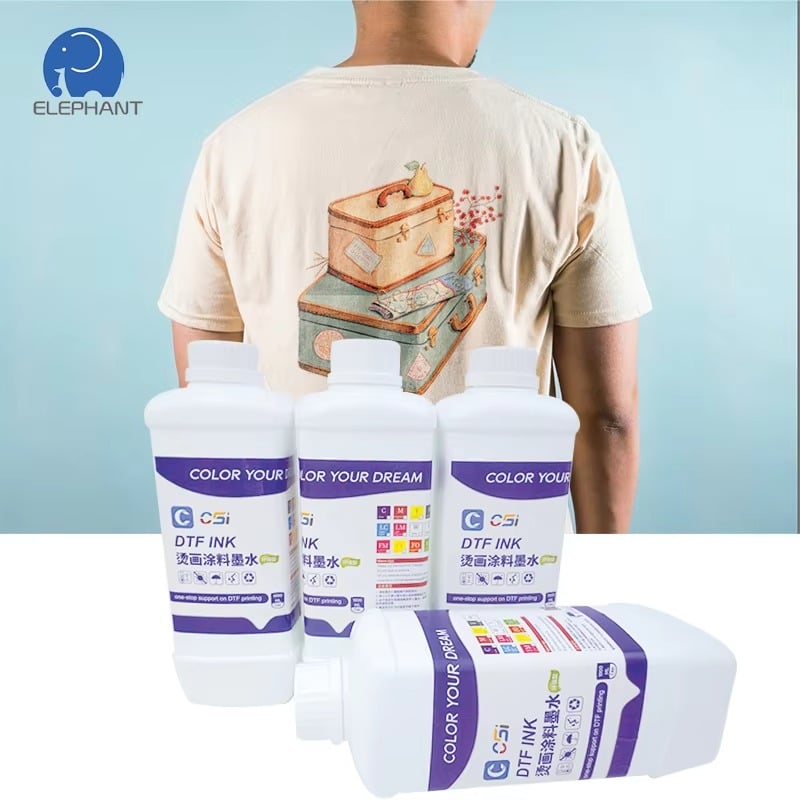
Direct-to-film (DTF) printing applies specially formulated DTF ink onto a thin polyester film, which is then heat-transferred onto fabric through a heat press. This dtf vs sublimation distinction means DTF ink sits on top of the material surface rather than bonding chemically with fibers. Sublimation printing, by contrast, uses heat and pressure to transform sublimation dyes from solid to gas state, allowing them to penetrate deep into polyester fabrics and create color that becomes part of the material itself. Understanding this fundamental dtf vs sublimation technical difference is crucial because it directly affects which substrates each technology can handle, durability outcomes, and therefore which customer segments each technology attracts profitably.
Material Compatibility and Market Accessibility Implications
The dtf vs sublimation material compatibility divide creates distinct market opportunities and revenue segments. DTF technology excels on cotton, cotton blends, polyester, and even specialty materials like leather and dense fabrics, while sublimation remains limited to polyester and specially coated items. This means dtf vs sublimation choice fundamentally determines which customer orders you can accept. Print shops choosing DTF gain access to the massive cotton t-shirt market, which represents the largest custom apparel segment. Conversely, sublimation shops dominate the home decor market, sports merchandise, and polyester-focused applications. Your dtf vs sublimation selection essentially determines your addressable market size and the types of customers willing to pay premium prices for your services.
Profitability Factor Analysis: Equipment Investment and Operational Costs
Initial Capital Requirements and Equipment ROI Timelines
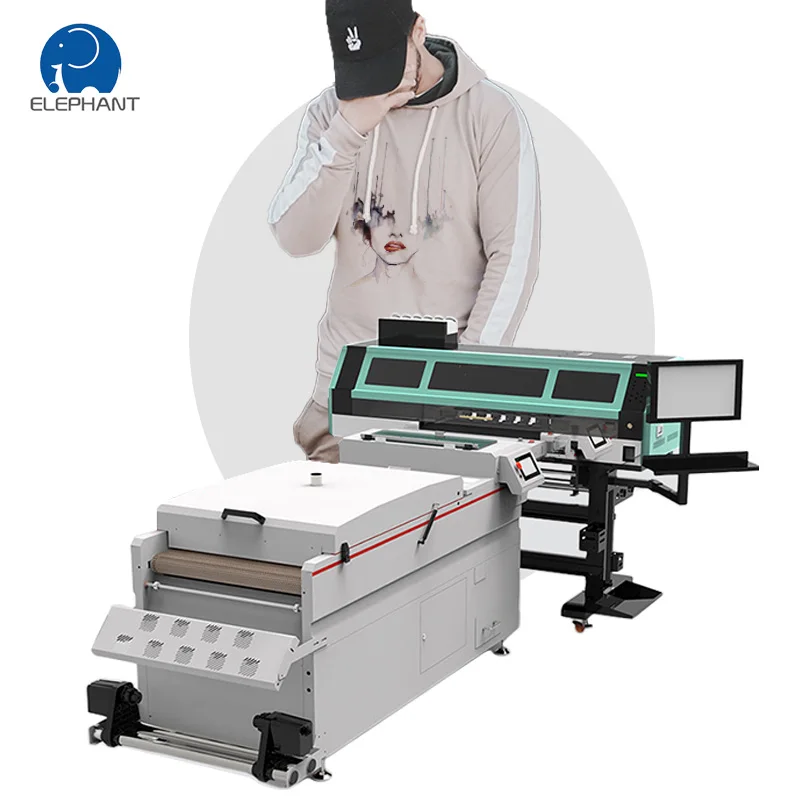
When evaluating dtf vs sublimation from a pure investment perspective, DTF systems typically require higher upfront capital expenditure due to their specialized film supply components and advanced curing systems. A quality DTF printer system often costs between forty to eighty thousand dollars when including the necessary film roll feeders and heat press equipment. Sublimation setups generally range from thirty to sixty thousand dollars initially. However, the dtf vs sublimation cost analysis becomes more nuanced when calculating monthly operational expenses, ink consumption rates, and waste factors. Many DTF operators report faster ROI timelines because of higher job volumes and stronger pricing power in the cotton apparel market. The dtf vs sublimation equipment decision should therefore include not just purchase price but realistic production volume projections and pricing strategy for your target market.
Consumable Costs and Material Waste Efficiency
The ongoing expense comparison between dtf vs sublimation reveals significant differences in consumable pricing and waste. DTF printing requires specialty polyester film rolls, plus DTF-specific inks formulated for optimal adhesion and color vibrancy. Film costs represent a unique expense that sublimation operations completely avoid, yet this additional material cost is often offset by superior coverage efficiency and higher customer acceptance on cotton items. Sublimation ink costs tend to be slightly lower per milliliter, but dye sublimation generates greater waste through the heat-transfer process and often requires higher temperature heat press settings that increase energy consumption. The dtf vs sublimation consumable analysis reveals that DTF operations often achieve better material efficiency percentages because the film transfer method requires less cotton shrinkage compensation and generates fewer color-mismatch rejections compared to sublimation's heat-sensitive process.
Revenue Potential and Market Positioning Strategy
Price Point Positioning and Customer Segment Profitability
The dtf vs sublimation choice dramatically affects which price tiers your business can command in the marketplace. DTF technology opens access to high-volume, price-sensitive cotton apparel markets where customers expect competitive pricing yet maintain consistent quality standards. This segment generates revenue through transaction volume rather than premium per-unit pricing. Sublimation printing positions shops in the specialized home decor and high-end merchandise market where customers accept premium pricing for vibrant, durable designs on specialty items. Understanding this dtf vs sublimation market positioning difference means recognizing that DTF businesses scale profitability through operational efficiency and production speed, while sublimation operations build profitability through selective customer acquisition and specialized application expertise.
Production Speed and Job Throughput Economics
DTF printing generally delivers superior production speeds compared to sublimation, particularly when handling larger production runs. A single DTF print-and-transfer cycle on a t-shirt typically completes in five to eight minutes when accounting for film curing and press time. Sublimation requires careful temperature management and longer dwell times, often taking eight to twelve minutes per item when processing dense color coverage. This dtf vs sublimation speed differential compounds significantly across monthly production volumes. A print shop capable of processing one hundred units daily with DTF versus seventy-five with sublimation generates substantially higher revenue from the same floor space and labor allocation. The dtf vs sublimation throughput advantage in DTF operations directly translates to improved equipment utilization rates and better fixed-cost absorption across higher job volumes.
Quality, Durability, and Customer Satisfaction Implications for Long-term Revenue
Wash Durability and Long-term Customer Retention Factors
The dtf vs sublimation durability comparison reveals important differences affecting customer satisfaction and repeat business rates. Sublimation produces exceptionally durable results on polyester because the dyes become chemically integrated into fibers, resisting fading through numerous wash cycles. DTF prints remain highly durable on cotton and blends when applied correctly, maintaining color vibrancy through extended wear and washing. However, dtf vs sublimation quality perception differs by application: customers expect sublimation for home decor items to remain pristine indefinitely, while apparel customers tolerate gradual fading as part of normal wear. This distinction means dtf vs sublimation profitability includes different customer service costs, warranty claim rates, and repeat purchase patterns. Shops that understand these durability expectations within each dtf vs sublimation segment can better manage customer satisfaction and reduce costly warranty disputes that erode profit margins.
Color Consistency and Brand Reputation Building
The dtf vs sublimation color consistency capabilities affect your ability to command premium pricing and develop strong brand reputation. Sublimation excels at producing vivid, photographic-quality color reproduction on polyester substrates with minimal variation between batches. DTF technology has dramatically improved color accuracy in recent years, now matching or exceeding sublimation capabilities on many applications while offering superior versatility across fabric types. The dtf vs sublimation choice therefore influences which customer segments you attract: designers seeking photographic fidelity may prefer sublimation initially, while apparel-focused customers increasingly accept DTF as the superior choice for cotton and specialty materials. Long-term profitability through dtf vs sublimation technology selection depends on building consistent brand reputation within your chosen market segment and positioning your capabilities as premium within that niche.
FAQ
Which technology between dtf vs sublimation offers better profit margins for starting businesses?
For new businesses with limited capital, sublimation generally requires lower initial investment since equipment costs typically run ten to twenty percent lower than comparable DTF systems. However, dtf vs sublimation long-term profitability depends more on your target market than initial equipment cost. If your market focuses on cotton t-shirts and apparel, DTF's higher upfront investment usually yields better returns through volume and pricing power. If your target market emphasizes home decor or polyester items, sublimation's lower entry cost makes financial sense. The dtf vs sublimation decision should therefore follow market research into your area's customer demand rather than being driven solely by equipment acquisition costs.
How does the dtf vs sublimation technology choice affect inventory management and working capital?
The dtf vs sublimation technology selection influences inventory complexity and working capital requirements significantly. DTF operations require maintaining inventory of specialty polyester film rolls in various widths, plus DTF ink cartridges and heat press maintenance supplies. Sublimation operations maintain simpler consumable inventory limited to sublimation ink and paper products for indirect printing. However, dtf vs sublimation technology choice also affects your finished goods inventory strategy: DTF shops focusing on cotton apparel can often operate on made-to-order principles, reducing inventory carrying costs, while sublimation operations sometimes benefit from producing standard home decor items in advance. The dtf vs sublimation inventory implications mean DTF businesses often operate with leaner working capital requirements despite higher consumable costs.
Can a print shop profitably operate with both dtf vs sublimation technology simultaneously?
Yes, many successful print shops operate both dtf vs sublimation technologies to maximize market coverage and revenue potential. However, dtf vs sublimation dual operations require careful management because equipment investments effectively double, and staff training becomes more complex. The profitability of running both dtf vs sublimation systems depends on having sufficient market demand to keep both machines running at high utilization rates. If production volume cannot sustain both technologies at eighty percent or higher utilization, the underutilized equipment becomes a profit drag. Many successful dual-technology shops start with one system, build strong market position and cash flow, then add the second dtf vs sublimation technology only after confirming sufficient customer demand to justify the additional capital investment and operational complexity.