 EN
EN

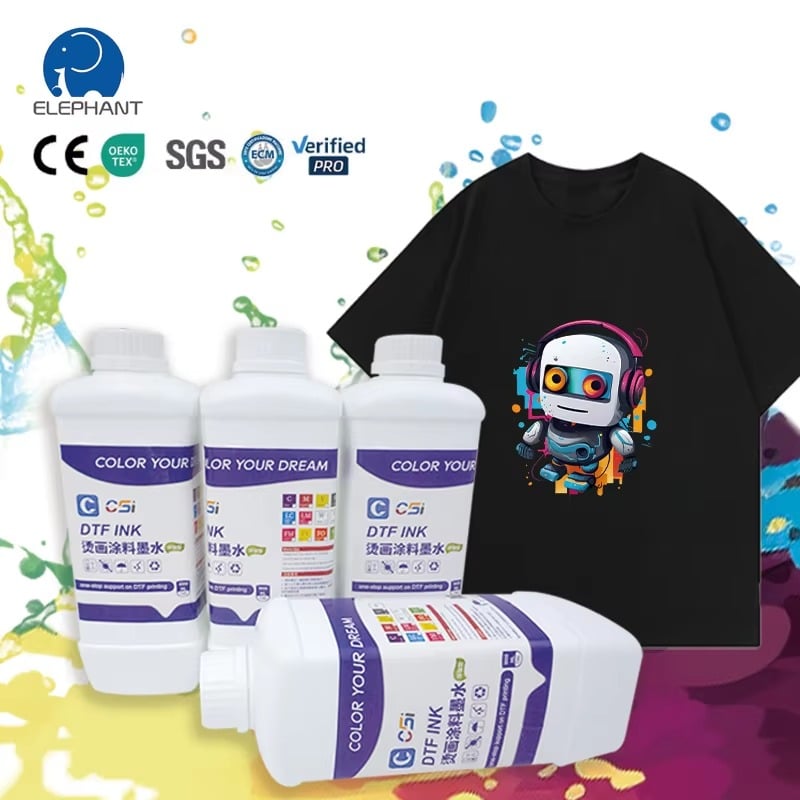
The choice between dtf vs sublimation fundamentally shapes how your printing operation scales and profits. Both technologies deliver vibrant, durable prints on textiles, but they operate through entirely different mechanisms, serve distinct market segments, and demand different capital investments. Understanding dtf vs sublimation differences is essential before committing resources to either printing system. This guide decodes the core distinctions, technical workflows, cost implications, and practical suitability factors that separate these two printing approaches.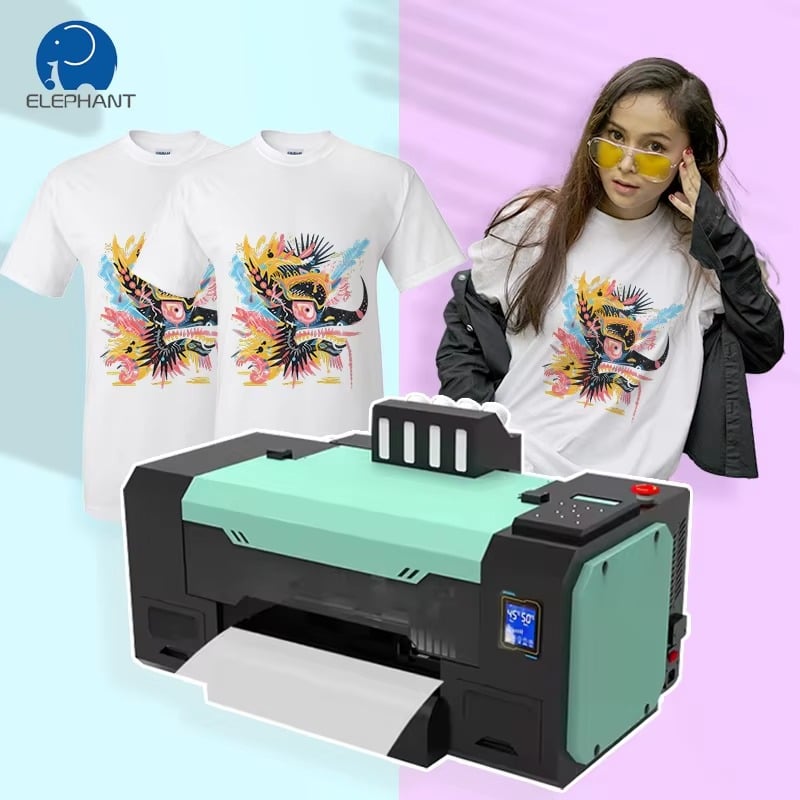
Deciding between dtf vs sublimation isn't just a technical question—it's a business strategy decision. Each technology excels in different scenarios, demands different skill levels, and generates different margins depending on your target garment types, order volumes, and market positioning. This article cuts through industry jargon to help you evaluate which system aligns with your operational goals and customer base.
How DTF and Sublimation Printing Actually Work
Understanding Direct-to-Film (DTF) Technology
dtf vs sublimation starts with understanding the DTF process. DTF printing applies liquid ink directly onto a specially coated polyester film, which then transfers onto fabric through heat and pressure. The garment itself never enters the DTF printer—the design prints onto film first, then a heat press applies the cured film directly to the textile surface. This dtf vs sublimation distinction means DTF works on virtually any fabric type, including cotton, polyester blends, dark fabrics, and even specialty materials. The transfer film dissolves into the fabric during the heat press stage, leaving behind a flexible, breathable print that doesn't crack or peel easily.
The DTF workflow involves several distinct steps that differentiate it from other printing methods. First, the design prints onto the film using specialized ink formulations designed for the coated polyester base. Second, a powder is applied to wet ink to enhance adhesion and durability. Third, the powder cures in an oven, creating a solid ink layer. Finally, the cured film transfers to fabric under controlled heat and pressure. This multi-stage process explains why dtf vs sublimation debates often focus on setup time and operational complexity.
Understanding Sublimation Printing
Sublimation printing operates on completely different chemistry. The sublimation process uses heat to transform solid dye directly into a gas, which then bonds permanently with polyester fibers at the molecular level. No film exists in sublimation—the design prints directly onto special paper, then heat press applies the dyed paper to polyester fabric, causing the dye to gasify and infuse into the fiber structure. This molecular bonding explains why sublimation produces exceptional color vibrancy and longevity on polyester. When comparing dtf vs sublimation, this chemical difference shapes everything from material compatibility to final image quality.
The sublimation workflow is simpler than DTF in terms of hardware complexity. Designs print onto transfer paper using sublimation dyes and specialized ink. The printed paper then transfers directly to polyester using heat and pressure. The dye molecules gas under heat and permanently dye the polyester fibers from within, creating prints that won't fade, crack, or peel under normal wear conditions. This straightforward chemistry is why many print shops initially choose sublimation, even though dtf vs sublimation material limitations eventually push them toward DTF flexibility.
Material Compatibility and Application Scope
DTF's Material Flexibility Advantage
The most decisive factor in dtf vs sublimation for many print shops is material compatibility. DTF printing works reliably on cotton, polyester, cotton blends, dark fabrics, light fabrics, and even non-traditional materials like leather, canvas, and synthetic blends. This universal compatibility means one DTF system can serve multiple market segments simultaneously. When evaluating dtf vs sublimation, this flexibility often justifies the higher equipment investment because it eliminates the need for separate printing technologies. A print shop running DTF can fulfill rush orders on dark cotton t-shirts, then switch to light polyester hoodies, then pivot to canvas bags—all on the same equipment without modification.
The material flexibility of DTF extends to garment color as well. Dark-colored fabrics, which reject sublimation dye due to inherent fiber saturation, print beautifully with DTF because the ink sits on top of the fiber surface rather than bonding chemically within it. This capability alone drives the dtf vs sublimation decision for print shops serving dark apparel markets, which represent enormous revenue potential in custom branded merchandise, athletic wear, and streetwear.
Sublimation's Polyester-Centric Limitation
Sublimation printing requires at least 50 percent polyester content to work effectively, and performs optimally on 100 percent polyester fabrics. This material constraint is the primary limitation in the dtf vs sublimation comparison. Pure cotton garments cannot be sublimated because cotton fibers don't accept dye through the gasification process that defines sublimation technology. The dtf vs sublimation polyester restriction means sublimation print shops serve primarily polyester markets: athletic wear, performance fabrics, home décor items, and some fashion segments. This narrower market scope limits revenue diversity compared to DTF's universal compatibility.
However, sublimation's polyester focus creates a strategic advantage within that specific market. Sublimation produces superior color saturation, photorealism, and fade resistance on polyester compared to any alternative printing method. For print shops targeting high-end polyester apparel, performance textiles, or home décor products, this quality advantage can justify staying exclusively with sublimation despite the dtf vs sublimation material limitations. The decision hinges on whether your customer base values material diversity or quality depth.
Cost Structure and Equipment Investment
Initial Equipment and Operational Expenses
Understanding the true cost of dtf vs sublimation requires analyzing both capital investment and per-print expenses. Sublimation systems typically involve lower equipment costs because sublimation printers are essentially modified inkjet devices using standard printing architecture. Basic sublimation setups, including printer and heat press, often start around five to eight thousand dollars. DTF systems demand significantly higher capital investment because they require specialized ink circulation systems, powder application units, and industrial-grade heat presses. Entry-level dtf vs sublimation comparisons show DTF systems starting at fifteen thousand to twenty-five thousand dollars.
However, the dtf vs sublimation cost analysis extends beyond purchase price. Sublimation relies on expensive sublimation-specific inks and transfer paper, with per-garment material costs ranging from three to six dollars depending on design complexity and color intensity. DTF uses more economical inks and polyester film, typically costing two to four dollars per garment for materials. When multiplied across thousands of prints, this operational cost advantage of DTF becomes significant. Print shops calculating true profitability per garment often discover that DTF's higher equipment cost recovers quickly through lower per-unit material expenses and broader market access.
Maintenance and Durability Considerations
The dtf vs sublimation maintenance profile differs substantially between technologies. Sublimation systems require regular nozzle cleaning and occasional printhead replacement because sublimation dyes can accumulate on printing components if the system sits idle. DTF systems demand more complex maintenance due to their powder application and curing mechanisms, but they're designed for commercial environments and tolerate extended use cycles well. For print shops planning to run high volumes, DTF maintenance becomes predictable and budgetable, while sublimation maintenance often surprises operators with unexpected downtime.
Equipment longevity also influences the dtf vs sublimation financial picture. DTF systems, built for industrial production, often maintain consistent output quality for five to seven years with proper maintenance. Sublimation systems, modified from consumer printing architectures, typically show quality degradation after three to four years of heavy use. This durability difference means DTF systems often deliver lower total cost of ownership despite higher initial investment when calculated across five to seven year operational timelines.
Print Quality, Durability, and Market Positioning
Color Vibrancy and Photorealism Differences
When comparing dtf vs sublimation output quality, the distinction depends partly on substrate material. On polyester, sublimation produces exceptional color saturation and photorealism because dyes bond molecularly within fibers, creating depth that surface printing cannot match. The dtf vs sublimation quality advantage belongs to sublimation for polyester applications specifically. However, on cotton and blended fabrics, DTF delivers comparable or superior results because sublimation cannot print these materials at all. For print shops targeting dark cotton garments—where sublimation fails completely—DTF delivers vibrant colors that sublimation literally cannot produce.
The dtf vs sublimation quality comparison also considers image permanence. Sublimation creates permanent dyes within polyester fibers that resist fading from washing, sunlight, and chemicals. DTF creates durable surface prints that withstand normal wear remarkably well but technically sit on fabric surface rather than bonding chemically. In practice, high-quality DTF prints on properly cured garments show minimal fading after fifty washes, rivaling sublimation in real-world durability for most customer applications.
Market Positioning and Customer Expectations
The dtf vs sublimation choice shapes how you position your print shop in the market. Sublimation-focused shops market themselves as premium polyester specialists, commanding higher prices for athletic wear, performance textiles, and high-end home décor. This positioning works well in narrow, quality-conscious markets but limits total addressable market. DTF-capable shops position themselves as full-service print providers serving every garment type and color. This broader positioning attracts diverse customer segments but requires operational sophistication to manage multiple applications effectively.
Understanding this positioning dimension of dtf vs sublimation helps explain why successful print shops often maintain both technologies. High-volume polyester orders run through sublimation for cost efficiency and superior quality. Dark garments, cotton apparel, and specialty applications run through DTF. This hybrid approach captures maximum market opportunity while allowing each technology to operate within its optimal use case. The question isn't always whether to choose DTF or sublimation exclusively—sometimes the better question is how to integrate both technologies strategically.
FAQ
Which is easier to learn: DTF or sublimation?
Sublimation has a gentler learning curve because the process involves fewer steps and simpler equipment operation. However, mastering temperature control, pressure settings, and design preparation is essential for both technologies. Many operators report that dtf vs sublimation learning difficulty depends more on your prior printing experience than the technology itself. DTF requires understanding powder application, film curing, and heat press calibration, which intimidates beginners initially but becomes routine quickly. Sublimation demands precise temperature control and material preparation but involves fewer mechanical systems overall. Most print shops can operate either technology competently within two to three weeks of hands-on training.
Can you print both DTF and sublimation designs on the same garment?
Technically yes, but practically it creates quality problems. When comparing dtf vs sublimation on the same garment, the different transfer mechanisms and ink types create visible inconsistencies. DTF prints feel slightly raised while sublimation prints lie flat within the fiber, creating texture mismatches. The color reproduction differs as well, since DTF uses plastisol-based inks while sublimation uses gasified dyes. For professional applications, mixing dtf vs sublimation on single garments damages brand consistency and customer satisfaction. Keep designs to one technology per garment for optimal results.
What's the best technology for a small print shop startup?
The answer depends on your target market. If you're serving local apparel markets with mixed garment types—t-shirts, hoodies, dark wear, light wear—DTF offers better versatility despite higher initial cost. If you're specializing in polyester athletic wear or home décor from the start, sublimation delivers excellent quality at lower equipment investment. Many successful startups begin with sublimation to minimize capital requirements, then add DTF capability as revenue grows. The dtf vs sublimation startup decision should align with your specific customer base and growth strategy rather than following a universal recommendation.