 EN
EN

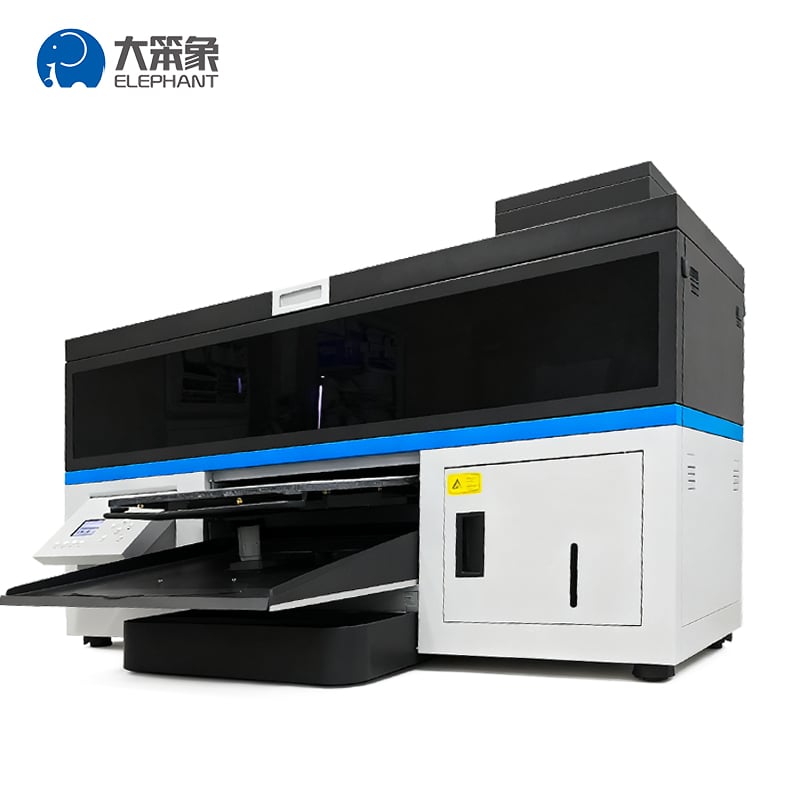
An industrial DTG printer represents a transformative investment for clothing manufacturers, screen printing operations, and custom apparel businesses seeking to scale production capabilities. The adoption of an industrial DTG printer enables businesses to move beyond traditional printing limitations and capture new market opportunities in on-demand and personalized garment manufacturing. Understanding how to effectively implement an industrial DTG printer is critical for maximizing return on investment and achieving sustainable growth in the competitive apparel industry.
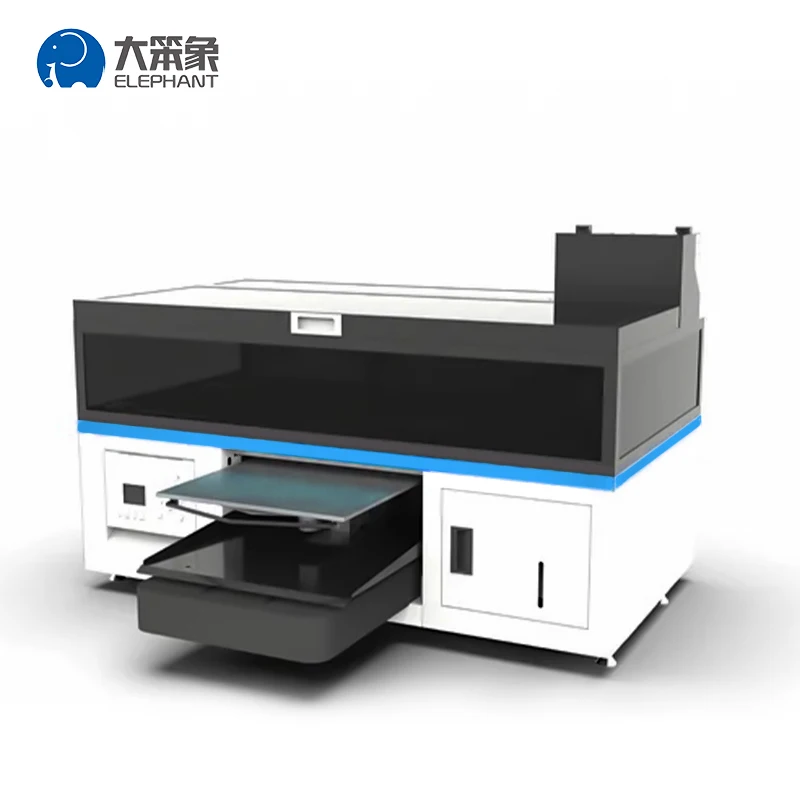
The decision to integrate an industrial DTG printer into your production workflow involves strategic planning, operational readiness, and clear financial modeling. Successful implementation requires more than equipment procurement; it demands attention to space allocation, technical staff training, workflow integration, and quality control protocols. This guide explores the essential steps for implementing an industrial DTG printer and demonstrates how this technology drives measurable business growth.
Strategic Planning and Pre-Implementation Assessment
Evaluating Your Business Readiness
Before investing in an industrial DTG printer, conduct a thorough assessment of your current production capacity, market demand, and operational infrastructure. Analyze your customer orders to identify opportunities where an industrial DTG printer would deliver competitive advantage, particularly for low-volume, high-variety production runs and custom design work. Evaluate your available floor space, electrical capacity, water supply requirements, and humidity control systems to ensure your facility can accommodate the specialized needs of an industrial DTG printer installation.
Financial readiness is equally important when planning to implement an industrial DTG printer. Calculate your total cost of ownership, including equipment purchase price, installation expenses, training requirements, ongoing maintenance, and consumables such as inks and pretreatment solutions. Project realistic revenue increases based on your market position and customer base expansion potential. An industrial DTG printer should align with documented demand signals, not merely represent aspirational capacity.
Market Demand and Revenue Projections
Successful implementation of an industrial DTG printer depends on matching technology capacity to genuine market opportunity. Survey your existing customers to gauge interest in custom designs, short-run orders, and personalization services that an industrial DTG printer enables. Identify untapped market segments such as corporate merchandise, event-specific apparel, and niche fashion brands that currently choose competitors because of limited production flexibility. Document these demand signals to justify investment and establish realistic production targets for your industrial DTG printer deployment.
Revenue projections should account for both direct income from garment sales and indirect benefits such as improved customer retention and premium pricing opportunities. An industrial DTG printer typically enables price increases of 15-30% for custom work compared to standard screen printing, justified by design flexibility and lower minimum order quantities. Calculate payback periods conservatively, typically 18-36 months depending on industry segment and existing customer relationships.
Technical Implementation and Operational Setup
Installation Requirements and Facility Preparation
Implementing an industrial DTG printer requires careful facility preparation to ensure optimal performance and longevity. Most industrial DTG printer installations demand dedicated electrical service with stable voltage regulation, proper humidity levels between 35-65%, and consistent ambient temperatures between 18-25 degrees Celsius. Invest in power conditioning equipment and climate control systems before your industrial DTG printer arrives, as environmental factors directly impact print quality and equipment reliability.
Space allocation for an industrial DTG printer extends beyond the equipment footprint itself. Plan for pretreatment stations where garments receive preparatory coating, curing areas where printed garments dry and heat-set, and staging zones for quality inspection and finishing. Many operations establish a dedicated industrial DTG printer workflow area to maintain separation from traditional screen printing lines, improving operational efficiency and reducing cross-contamination. Include contingency space for maintenance activities and consumable storage.
Integration with Existing Workflows
Effective implementation of an industrial DTG printer requires thoughtful integration with your existing production systems and order management processes. Establish clear workflows defining which orders route through your industrial DTG printer versus traditional production methods. Implement digital asset management systems for customer designs, ensuring your industrial DTG printer receives color-corrected files in appropriate formats. Create quality benchmarks specific to DTG output characteristics, training production staff to understand how digital direct printing differs from screen-printed results.
Inventory management becomes more complex after implementing an industrial DTG printer. Maintain adequate pretreatment supplies, ink stocks for all garment types your industrial DTG printer supports, and spare parts for rapid maintenance response. Develop preventive maintenance schedules aligned with your industrial DTG printer's usage patterns. Most modern systems track print counts, enabling predictive maintenance that prevents unexpected downtime during peak production periods.
Maximizing ROI and Growth Through Strategic Deployment
Operational Excellence and Production Scaling
Achieving strong return on investment from an industrial DTG printer requires optimizing production efficiency and maintaining consistent quality standards. Establish productivity benchmarks by tracking hourly output, average design complexity, and throughput rates specific to your customer base. Train production staff thoroughly on color management, garment handling, and troubleshooting procedures particular to your industrial DTG printer model. Experienced operators typically achieve 30-50% higher productivity than untrained staff during the first six months of operation.
Quality consistency determines customer satisfaction and repeat business when deploying an industrial DTG printer. Implement standardized pretreatment protocols to ensure uniform ink absorption across different garment types. Establish color matching procedures accounting for fabric variations, ambient conditions, and your industrial DTG printer's specific color characteristics. Document production parameters for common designs, enabling consistent reproduction and reducing setup time for repeat orders.
Market Expansion and Competitive Positioning
An industrial DTG printer enables market expansion into customer segments previously unreachable through traditional production methods. Develop targeted marketing campaigns highlighting your on-demand capabilities, fast turnaround times, and design flexibility advantages. Position your business as a custom apparel specialist once your industrial DTG printer reaches operational maturity, attracting corporate clients, design-driven boutiques, and direct-to-consumer brands seeking reliable production partners.
Competitive advantage emerges from implementing an industrial DTG printer not merely as equipment acquisition but as capability transformation. Create service packages combining your industrial DTG printer's capabilities with design consultation, rapid prototyping, and quality assurance that competitors cannot easily replicate. Build customer relationships around the flexibility and responsiveness your industrial DTG printer enables, differentiating your offering beyond simple price competition.
FAQ
What is the typical return on investment timeline for implementing an industrial DTG printer?
Most businesses implementing an industrial DTG printer achieve positive ROI within 18-36 months, depending on industry segment, initial customer base, and operational efficiency. Businesses with strong existing customer relationships and documented demand for custom products often reach breakeven within 18-24 months. Performance depends critically on production volume, pricing strategy, and quality execution rather than the industrial DTG printer investment alone.
How does implementing an industrial DTG printer change production workflows?
Implementing an industrial DTG printer typically introduces pretreatment, printing, and curing stages that differ from screen printing workflows. Orders route through dedicated preparation, design approval, and production sequences specific to DTG technology. Quality control becomes more design-focused rather than setup-intensive, and inventory management shifts toward consumables like pretreatment and inks rather than screens and ink stocks. Training staff on these workflow differences is essential for smooth implementation.
What ongoing maintenance does an industrial DTG printer require?
An industrial DTG printer requires daily printhead cleaning, weekly color verification, monthly deep maintenance, and quarterly professional servicing. Pretreatment application requires quality checks to prevent over-saturation or under-coating. Ink systems need regular circulation to prevent settling and clogging. Most manufacturers recommend quarterly professional maintenance for industrial DTG printer systems handling consistent production volume, costing approximately 2-4% of equipment purchase price annually.
Conclusion
Implementing an industrial DTG printer represents a strategic investment that transforms production capabilities and enables market expansion for apparel manufacturers. Success requires comprehensive pre-implementation planning, thorough operational setup, and committed management attention to quality and efficiency. Businesses that approach industrial DTG printer implementation as capability transformation rather than equipment acquisition consistently achieve superior financial returns and sustainable competitive advantage. The apparel industry continues shifting toward customization and on-demand production, making industrial DTG printer technology increasingly essential for long-term business growth.