 EN


Selecting the right roller sublimation heat transfer machine represents one of the most critical investments a print business can make. After narrowing down your options and evaluating core features, the final decision phase requires careful attention to specifications, operational fit, and long-term business impact. This stage separates informed buyers from those who make rushed choices and face regret later. The roller sublimation heat transfer machine you choose will directly influence production speed, color quality, substrate compatibility, and ultimately your competitive position in the market.
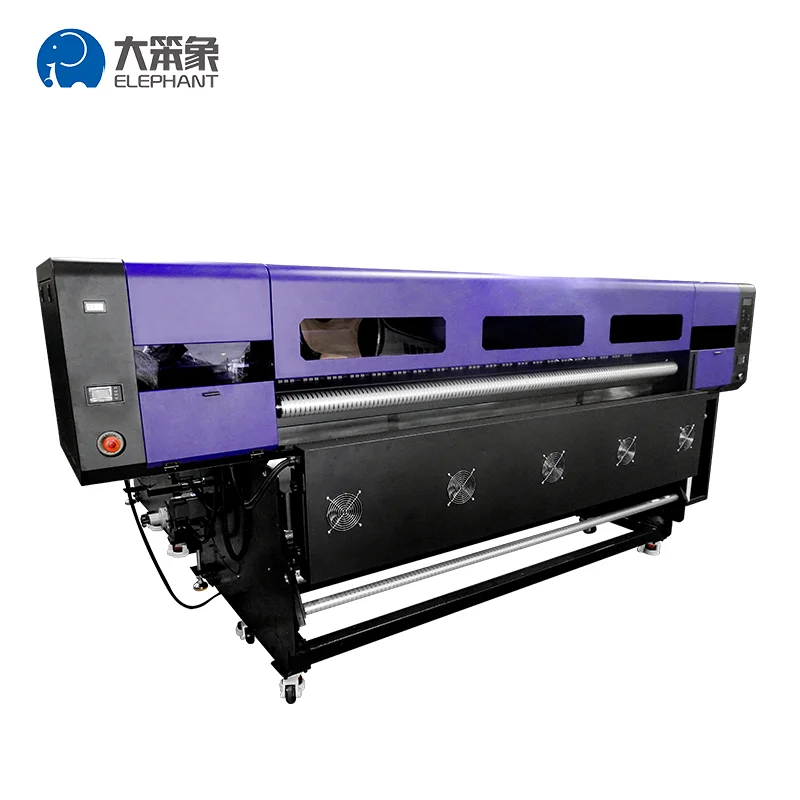
Making the final decision on a roller sublimation heat transfer machine involves comparing technical specifications side by side, understanding total cost of ownership, and confirming that your facility and staff are ready for implementation. This comprehensive approach ensures that your investment delivers measurable returns from day one. Understanding what truly distinguishes one roller sublimation heat transfer machine from another allows you to align your choice with realistic production goals and market demand.
Comparing Technical Specifications and Performance Metrics
Temperature Precision and Heat Distribution
The quality of a roller sublimation heat transfer machine depends heavily on its temperature control capabilities. Look for machines that maintain consistent heat across the entire transfer width without hot spots or cold zones. A professional-grade roller sublimation heat transfer machine uses advanced heating elements and sensors to achieve uniform temperature distribution. This precision directly impacts color saturation, ink fastness, and the overall visual quality of transferred designs. When comparing roller sublimation heat transfer machine models, request transfer samples to see how each handles subtle color gradations and detailed imagery.
Transfer Speed and Production Throughput
Production capacity is a primary factor when choosing your roller sublimation heat transfer machine. Measure the belt speed in meters per minute and calculate realistic daily output based on your typical job mix. A faster roller sublimation heat transfer machine reduces per-unit processing time, but speed means nothing if quality suffers. The ideal roller sublimation heat transfer machine balances speed with consistent output, allowing operators to maintain both efficiency and quality standards. Request hourly throughput data from manufacturers and verify these claims with existing customers running similar production volumes.
Evaluating Substrate Compatibility and Material Handling
Width and Material Type Support
Your roller sublimation heat transfer machine must accommodate the specific materials you plan to transfer onto. Standard widths range from narrow models suitable for small apparel items to wide-format machines for large-scale production. Each roller sublimation heat transfer machine has maximum and minimum thickness specifications, pressure settings, and temperature ranges optimized for particular substrates. Verify that your chosen roller sublimation heat transfer machine can handle polyester fabrics, ceramic tiles, metal substrates, or other materials central to your product line. Testing with your actual substrate materials on the specific roller sublimation heat transfer machine model before purchase eliminates surprises after installation.
Pressure System and Adjustability Features
A versatile roller sublimation heat transfer machine includes adjustable pressure settings to accommodate material thickness variations. Materials with different densities require different pressure levels to achieve optimal dye transfer without damaging delicate fabrics or causing uneven results. Advanced roller sublimation heat transfer machine models feature programmable pressure profiles for different material types, reducing operator error and improving consistency. When evaluating your roller sublimation heat transfer machine options, confirm that pressure adjustments are intuitive and that the machine maintains pressure uniformity across the entire transfer width throughout the entire cycle.
Calculating Total Cost of Ownership and Return on Investment
Equipment Cost Balanced Against Production Economics
The initial purchase price of a roller sublimation heat transfer machine represents only a portion of true ownership costs. Calculate the cost per transfer by factoring in the machine purchase, installation, training, consumables, energy usage, and maintenance. A higher-priced roller sublimation heat transfer machine with superior precision and reliability often delivers better economics than a cheaper machine requiring frequent repairs and producing lower-quality output. Project your annual production volume and determine how many months until your roller sublimation heat transfer machine investment pays for itself through improved profit margins. This analysis guides realistic pricing for your end products and helps justify the investment to stakeholders.
Warranty Support and Service Network Availability
The quality of after-sales support separates reliable roller sublimation heat transfer machine vendors from problematic ones. Review warranty terms, coverage limits, and response times for technical issues. A roller sublimation heat transfer machine backed by responsive technical support and readily available replacement parts minimizes downtime and keeps your production schedule on track. Investigate whether the vendor maintains local service centers or requires sending the roller sublimation heat transfer machine to a distant facility for repairs. Long-term success depends on having expert support available when unexpected issues arise.
Operational Readiness and Team Capability Assessment
Staff Training and Operational Knowledge Requirements
Your facility must be prepared to operate a roller sublimation heat transfer machine effectively before it arrives. Determine whether your team has the technical background to manage the machine independently or whether you will need external training support. Some vendors include comprehensive operator training with purchase of a roller sublimation heat transfer machine, while others charge separately. Ensure that your staff understands maintenance protocols, troubleshooting procedures, and quality control standards specific to your roller sublimation heat transfer machine model. Investing in proper training increases adoption speed and reduces costly mistakes during the first production months.
Facility Infrastructure and Environmental Conditions
Confirm that your production facility meets the electrical, ventilation, and space requirements of your chosen roller sublimation heat transfer machine. Most machines require dedicated electrical circuits and stable power conditions to maintain temperature precision. A roller sublimation heat transfer machine also generates heat and humidity that must be managed through adequate facility ventilation to protect equipment and maintain operator comfort. Measure available floor space and ensure the roller sublimation heat transfer machine layout integrates smoothly with your existing workflow. Poor facility conditions lead to premature equipment wear and inconsistent production quality regardless of the roller sublimation heat transfer machine quality.
FAQ
What warranty coverage should I expect from a quality roller sublimation heat transfer machine?
Industry-standard roller sublimation heat transfer machine warranties typically cover parts and labor for 1 to 3 years, with extended service contracts available. Premium manufacturers often include on-site installation, initial training, and 24-month comprehensive coverage as standard. Verify whether your roller sublimation heat transfer machine warranty covers consumable items like heat-resistant belts, heating elements, and seals, or whether these carry separate terms. Request a complete warranty document and clarify exclusions before finalizing your purchase of a roller sublimation heat transfer machine.
How often does a roller sublimation heat transfer machine require routine maintenance?
A well-maintained roller sublimation heat transfer machine requires cleaning and inspection after every 40-50 operating hours and more comprehensive servicing every 6 months. Daily maintenance of your roller sublimation heat transfer machine includes removing sublimation ink residue from the transfer belt and checking temperature sensor functionality. Scheduled maintenance for your roller sublimation heat transfer machine typically involves replacing seals, lubricating moving parts, and recalibrating pressure sensors. Following the manufacturer's maintenance schedule extends the operational life of your roller sublimation heat transfer machine and prevents costly downtime.
Can a single roller sublimation heat transfer machine handle multiple material types?
Most modern roller sublimation heat transfer machine models accommodate multiple materials through adjustable temperature, pressure, and belt speed settings. However, some specialized roller sublimation heat transfer machine designs are optimized for specific substrates and may not perform equally across different material types. Before purchasing your roller sublimation heat transfer machine, test it with all materials you plan to use commercially and confirm acceptable quality across the full range. Verify that your roller sublimation heat transfer machine includes documented standard settings for each material type you intend to process.