 EN

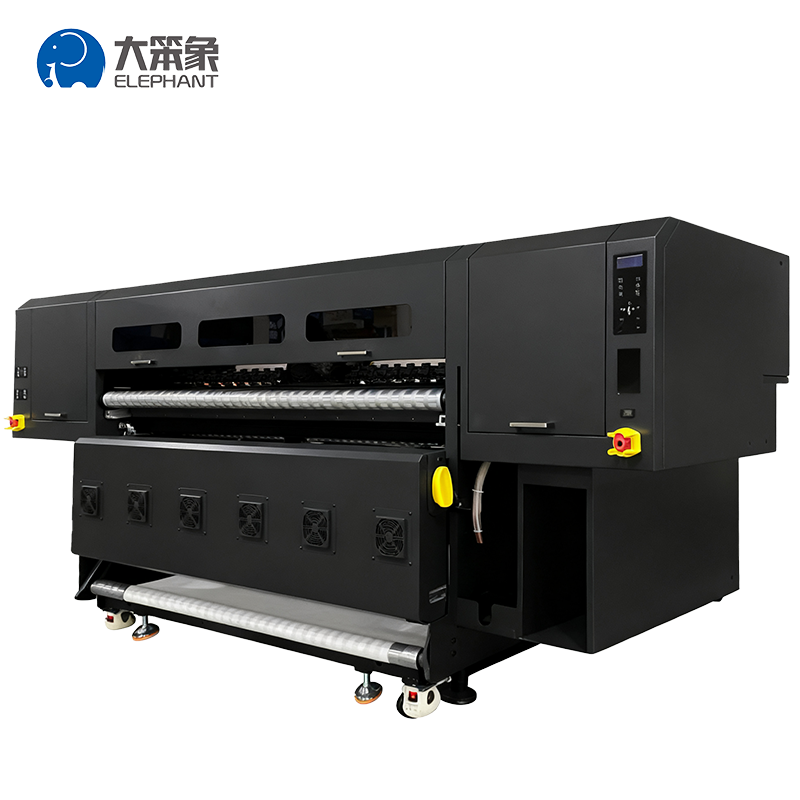
The textile industry is undergoing a digital transformation, and at its core lies the large format sublimation printer for textile. This advanced printing technology has revolutionized how businesses approach custom apparel, home décor, and specialty textile production. Companies that invest in a large format sublimation printer for textile gain a competitive edge by reducing production time, enhancing design quality, and scaling operations without proportional cost increases.

A large format sublimation printer for textile delivers capabilities that traditional screen printing and heat transfer methods cannot match. Modern textile businesses recognize that owning a large format sublimation printer for textile is not just about printing—it is about unlocking operational efficiency, expanding market reach, and building customer loyalty through superior product quality. The business potential of implementing a large format sublimation printer for textile extends beyond simple production gains; it fundamentally reshapes how textile enterprises approach customization, inventory management, and profit margins.
Understanding the Technology Behind Large Format Sublimation Printers for Textile
Core Printing Mechanism and Workflow
A large format sublimation printer for textile operates by converting digital designs into heat and dye that permeate polyester fibers at the molecular level. Unlike traditional printing methods, a large format sublimation printer for textile uses specialized inks that vaporize when heated, bonding directly with synthetic fabric surfaces. This process ensures color permanence, vibrant detail retention, and exceptional wash durability. The workflow begins with design input, moves through precise color calibration, and culminates in the heat transfer process that makes a large format sublimation printer for textile distinct from conventional textile printing solutions.
Technical Specifications and Output Capacity
Modern large format sublimation printer for textile systems typically feature print widths ranging from 1.6 to 3.2 meters and production speeds measured in square meters per hour. A high-performance large format sublimation printer for textile can process unlimited design variations without setup costs, enabling one-of-a-kind or small-batch production runs profitably. Resolution capabilities of contemporary large format sublimation printer for textile equipment reach 1200 dpi or higher, delivering photographic quality across full-width outputs. These technical attributes mean that a large format sublimation printer for textile transforms previously impossible production scenarios into standard operations.
Revenue Expansion and Market Opportunity
New Revenue Streams Enabled by Large Format Sublimation Technology
Investing in a large format sublimation printer for textile opens access to high-margin product categories previously unavailable to textile businesses. A large format sublimation printer for textile enables on-demand production of custom sportswear, performance apparel, branded merchandise, and designer collaborations without minimum order quantities. Print-on-demand textile services represent one of the fastest-growing market segments, and a large format sublimation printer for textile is the machinery foundation that makes this model viable. Businesses deploying a large format sublimation printer for textile report entering markets like custom athleisure, personalized home textiles, and corporate uniform customization—segments commanding premium pricing and repeat customer relationships.
Scalability Without Linear Cost Growth
The business potential of a large format sublimation printer for textile lies in its ability to increase output without proportional labor or facility expansion. When production volume doubles using a large format sublimation printer for textile, fixed asset costs remain static while per-unit labor contribution decreases sharply. A large format sublimation printer for textile eliminates costly inventory holding, reducing working capital requirements for textile businesses. This scalability advantage means that deploying a large format sublimation printer for textile positions companies to capture market growth during peak seasons while maintaining profitability during slower periods through product diversification.
Operational Benefits and Competitive Positioning
Quality Consistency and Design Flexibility
A large format sublimation printer for textile delivers design flexibility that competitors using traditional methods cannot replicate. Every print from a large format sublimation printer for textile maintains identical color accuracy, resolution, and durability regardless of design complexity or batch size. Customers increasingly demand personalization and short lead times, and a large format sublimation printer for textile fulfills both requirements simultaneously. The consistency of a large format sublimation printer for textile means textile businesses can confidently commit to custom orders without quality risk, directly strengthening customer satisfaction and repeat business rates.
Speed-to-Market and Customer Response Time
Traditional textile production involves lengthy setup times, color matching, and inventory commitments. A large format sublimation printer for textile eliminates most preprocessing delays, enabling textile businesses to quote and deliver custom orders within days rather than weeks. This rapid response capability powered by a large format sublimation printer for textile has become a decisive competitive factor in fashion, home décor, and corporate apparel markets. Companies using a large format sublimation printer for textile report capturing time-sensitive projects and seasonal trends that competitors relying on older production methods miss entirely.
Implementation Strategy and ROI Considerations
Investment Assessment and Payback Timeline
The financial commitment to acquiring a large format sublimation printer for textile ranges significantly based on width, speed, and automation features. However, textile businesses evaluating a large format sublimation printer for textile investment typically recover their capital within twelve to eighteen months through increased margins and volume expansion. A large format sublimation printer for textile generates ROI through multiple channels: higher per-unit profit margins, reduced waste from setup errors, lower inventory carrying costs, and access to higher-value customer segments. The predictability of a large format sublimation printer for textile payback timelines makes financial planning straightforward for most textile enterprises.
Workflow Integration and Personnel Requirements
Successfully deploying a large format sublimation printer for textile requires integration with existing design, pretreatment, and finishing workflows. A large format sublimation printer for textile typically requires one to two trained operators and connects to standard design software that most textile businesses already use. Training staff to maximize a large format sublimation printer for textile capabilities takes weeks rather than months, making transition periods manageable. Textile companies benefit from adopting a large format sublimation printer for textile gradually, starting with high-margin applications before expanding to full production capacity.
FAQ
What types of textiles work best with a large format sublimation printer for textile?
A large format sublimation printer for textile performs optimally on polyester-based fabrics and polyester-rich blends. Natural fibers like cotton require pretreatment chemicals for adequate dye bonding, which adds production steps and costs. Synthetic fabrics, particularly performance polyester, showcase the vibrant colors and durability advantages that a large format sublimation printer for textile is engineered to deliver. For businesses targeting sportswear, athletic wear, and technical textiles, a large format sublimation printer for textile provides superior results compared to any alternative production method.
How does maintenance of a large format sublimation printer for textile impact ongoing costs?
A large format sublimation printer for textile requires routine preventive maintenance including printhead cleaning, ink system checks, and platen inspection. Modern large format sublimation printer for textile systems are designed for minimal downtime, with most maintenance tasks completed during scheduled stops or overnight periods. Consumable costs for a large format sublimation printer for textile include sublimation inks, printheads, and specialty cleaning solutions, totaling approximately five to eight percent of revenue for active production operations. The transparency and predictability of maintaining a large format sublimation printer for textile make budgeting straightforward compared to older textile printing infrastructure.
Can a large format sublimation printer for textile handle variable-data personalization?
Yes, a large format sublimation printer for textile excels at variable-data personalization because each design iteration requires no mechanical adjustment or setup cost. Companies using a large format sublimation printer for textile can print different names, numbers, or graphics on consecutive yards without pausing production. This capability makes a large format sublimation printer for textile ideal for customized corporate uniforms, personalized merchandise, and bespoke textile products where individual items differ. The efficiency advantage of a large format sublimation printer for textile in handling personalization directly enables profitable small-batch and one-piece production that drives customer satisfaction and market differentiation.