 EN


DTF digital printing has emerged as a transformative technology for businesses seeking sustainable competitive advantage and long-term profitability in textile and apparel production. This innovative printing method combines speed, quality, and cost efficiency in ways that traditional screen printing and other analog processes cannot match. Understanding how to maximize the long-term value of DTF digital printing requires insight into its operational mechanics, financial implications, and strategic positioning within modern manufacturing workflows.
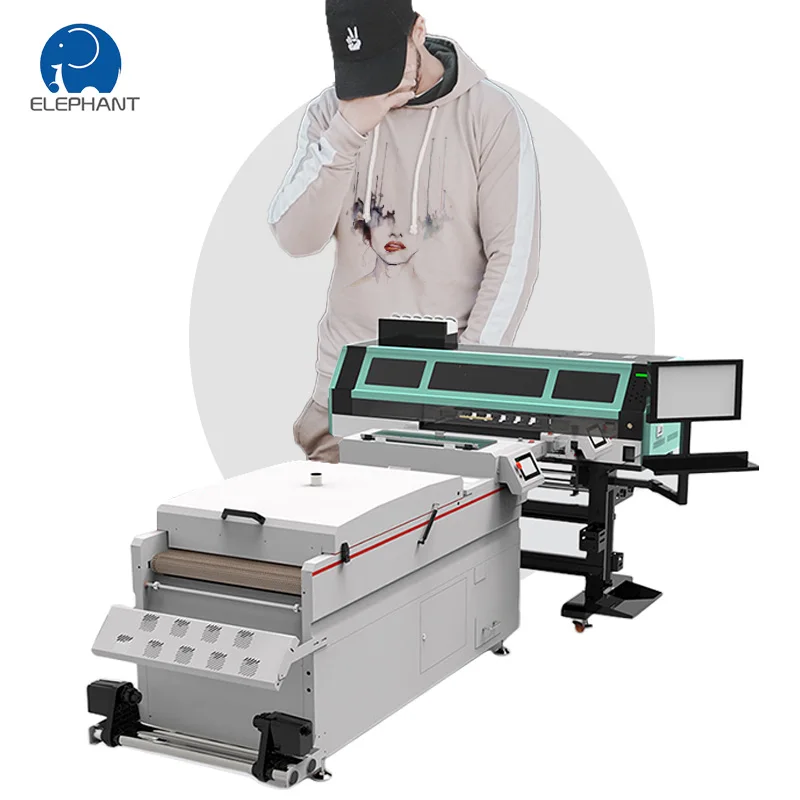
The investment in DTF digital printing technology extends beyond initial equipment acquisition. Long-term value creation depends on optimizing operational efficiency, maintaining consistent output quality, minimizing waste, and leveraging production flexibility to capture new market opportunities. Organizations that treat DTF digital printing as a strategic asset rather than a commodity tool experience substantially higher returns and build resilient manufacturing capabilities.
Understanding DTF Digital Printing Fundamentals
Core Technology and Process Flow
DTF digital printing operates through a specialized process where ink is applied directly onto a film substrate, which is then heat-transferred onto fabric. Unlike screen printing, which requires multiple screens and manual preparation, DTF digital printing automates color application and reduces setup time dramatically. This process allows businesses to produce small batches, custom designs, and complex color palettes without significant cost penalties, making DTF digital printing ideal for both bulk production and on-demand fulfillment models.
The DTF digital printing workflow begins with digital design files that are processed through specialized software. The system applies ink directly to polyester film in precise layers, then powder is applied to create adhesion. After heating, the film transfers the design onto the fabric. This methodology eliminates color separation waste, reduces labor hours, and produces consistently high-quality output across production runs, which directly contributes to maximizing profitability in DTF digital printing operations.
Quality Consistency and Output Standards
DTF digital printing delivers superior color accuracy and design sharpness compared to traditional methods. The direct application of ink onto film allows for precise control over saturation, gradient transitions, and fine detail reproduction. Achieving consistent results requires proper maintenance, ink quality management, and temperature control throughout the DTF digital printing process. Organizations that invest in quality assurance protocols observe measurable reductions in waste rates and customer return incidents, directly protecting long-term profitability.
Financial Value Drivers and Long-Term ROI
Operational Cost Reduction and Efficiency Gains
DTF digital printing substantially reduces per-unit production costs through automated color application and elimination of screen preparation expenses. Traditional screen printing requires separate screens for each color separation, consuming time and materials. Conversely, DTF digital printing applies all colors in a single pass, reducing labor and consumables. The lower setup time for DTF digital printing means production runs can begin quickly, enabling better capacity utilization and faster order turnaround. These efficiency gains compound over years of operation, creating sustained cost advantage.
Waste reduction represents another critical financial driver in DTF digital printing economics. Misprints, color mismatches, and failed garments create substantial expenses in conventional production. DTF digital printing minimizes these issues through digital precision and preview capabilities. Organizations implementing DTF digital printing typically observe waste rate reductions of 15 to 25 percent within the first year of operation. This improvement directly increases net margins and makes the initial technology investment return quickly.
Revenue Expansion Through Production Flexibility
DTF digital printing enables product diversification and market expansion opportunities that would be uneconomical with screen printing. Custom orders, limited editions, and rapid design iterations become feasible without significant cost penalties. This flexibility allows businesses to capture premium pricing for personalized products and respond quickly to emerging market trends. Companies leveraging DTF digital printing for short-run, high-margin production see revenue growth that complements cost reduction benefits.
The ability to produce small batches economically using DTF digital printing opens access to e-commerce channels, direct-to-consumer sales, and niche market segments. These channels typically command higher margins than bulk wholesale accounts. Additionally, DTF digital printing enables rapid sampling and prototyping, reducing time-to-market for new product concepts and allowing businesses to validate designs before committing to large production volumes.
Sustainability and Competitive Positioning
Environmental Efficiency and Brand Value
DTF digital printing aligns with evolving sustainability expectations in manufacturing. The reduced waste, lower water consumption, and minimal chemical usage in DTF digital printing operations appeal to environmentally conscious consumers and meet corporate social responsibility benchmarks. Brands highlighting their use of DTF digital printing technology attract customers seeking sustainable products, creating pricing power and market differentiation that enhance long-term competitiveness.
The environmental profile of DTF digital printing also provides operational resilience. As regulations around water usage, chemical disposal, and emissions tighten globally, businesses already operating with DTF digital printing face fewer compliance challenges and adaptation costs. This regulatory alignment protects future profitability and reduces uncertainty around manufacturing practices.
Market Positioning and Customer Retention
DTF digital printing capabilities strengthen customer relationships by enabling faster turnaround, higher quality consistency, and production flexibility. Customers increasingly expect rapid sampling, customization options, and reliable delivery timelines. Providers equipped with DTF digital printing technology can fulfill these expectations reliably, building loyalty and reducing customer churn. The ability to handle rush orders and design modifications without significant cost increases makes DTF digital printing businesses more responsive and competitive.
Retaining existing customers while expanding order volumes through dtf digital printing services maximizes lifetime customer value and reduces acquisition costs. Satisfied customers become advocates, generating referrals and word-of-mouth marketing that lower customer acquisition expenses and improve profitability.
FAQ
What is the typical payback period for DTF digital printing equipment investment?
The payback period for DTF digital printing equipment typically ranges from 12 to 24 months depending on production volume, pricing strategy, and existing operational efficiency. Organizations with higher production volumes and ability to command premium pricing for custom products experience faster payback. Careful financial modeling, accounting for waste reduction, labor savings, and revenue expansion, provides realistic DTF digital printing ROI projections for specific business contexts.
How does maintenance impact long-term value in DTF digital printing operations?
Regular maintenance of DTF digital printing equipment directly protects long-term value by preventing downtime, extending equipment lifespan, and maintaining output quality. Scheduled cleaning, ink system checks, and component replacement prevent costly breakdowns and performance degradation. Organizations that implement preventive maintenance protocols observe 15 to 30 percent longer equipment life and consistently higher quality output compared to those with reactive maintenance approaches.
Can DTF digital printing compete with established screen printing methods?
DTF digital printing excels in scenarios involving design complexity, short runs, customization, and rapid turnaround, while screen printing remains competitive for very high-volume, single-color production. Many successful manufacturers now operate both methods, using DTF digital printing for custom and short-run work while reserving screen printing for high-volume commodity production. This hybrid approach optimizes cost structure and maximizes DTF digital printing's competitive advantages within appropriate application contexts.