 EN

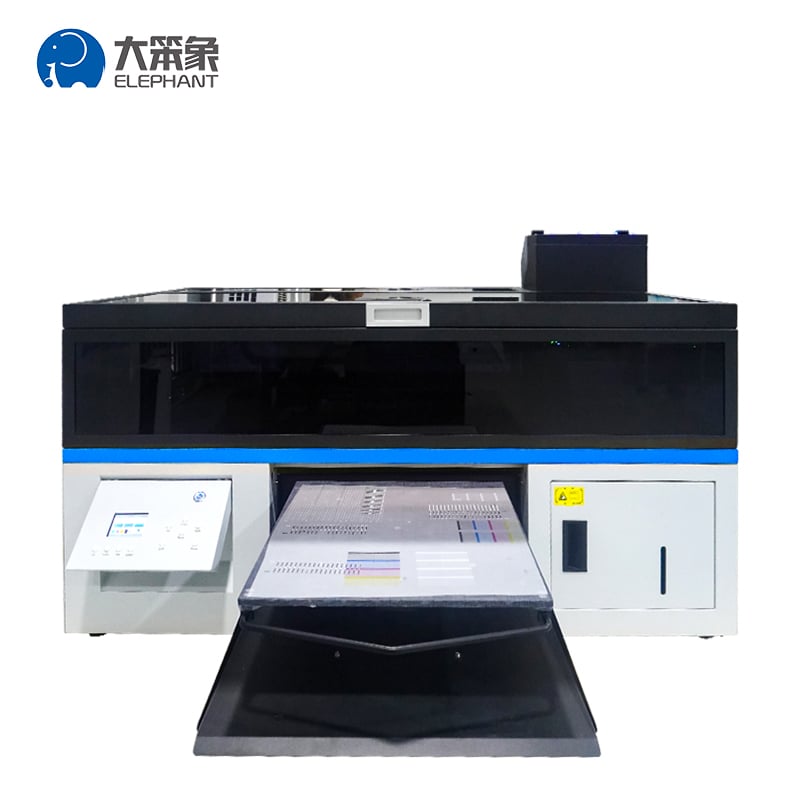
Direct-to-garment technology has fundamentally transformed how businesses approach custom apparel production. Implementing dtg prints into your operation opens significant revenue opportunities while reducing production complexity and inventory risk. Understanding how to leverage dtg prints effectively is essential for any print shop, clothing brand, or custom merchandise business looking to scale profitably. This guide walks you through the strategic implementation of dtg prints, from initial investment decisions through operational excellence, ensuring your business captures maximum return on investment.
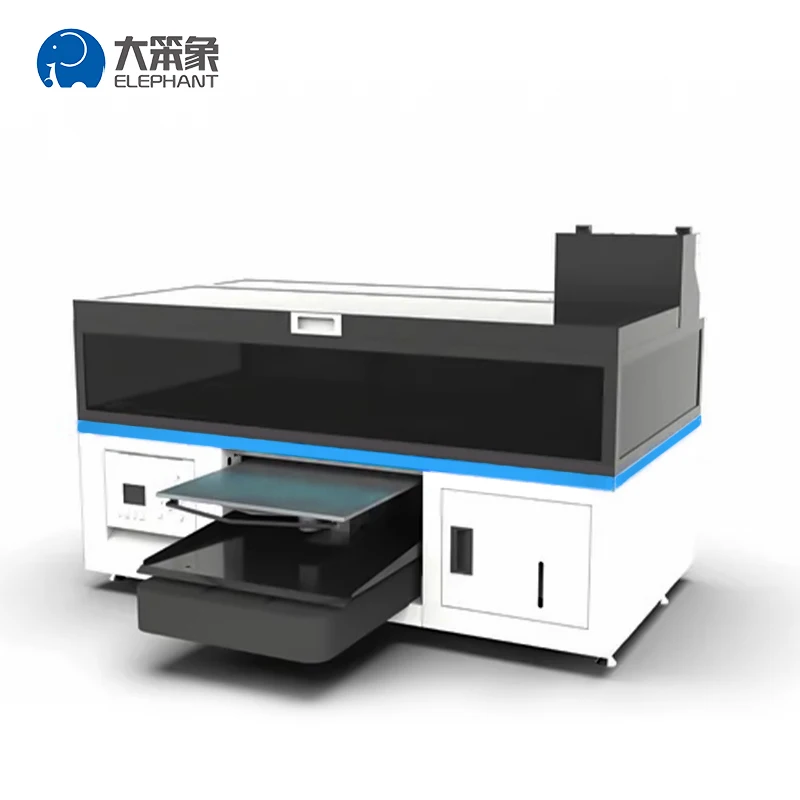
The competitive landscape demands that businesses adopt dtg prints technology to stay relevant. Custom apparel represents one of the fastest-growing segments in the print industry, driven by consumer demand for personalized products and small-batch production capabilities. When properly implemented, dtg prints eliminate gatekeeping costs, reduce lead times, and enable businesses to serve niche markets profitably. The financial upside is substantial, but success requires strategic planning beyond simply purchasing equipment.
Understanding DTG Prints Technology and Market Fit
What Makes DTG Prints Different
Direct-to-garment printing applies ink directly onto fabric surfaces, fundamentally different from traditional screen printing, heat transfer, or embroidery methods. Dtg prints use specialized inkjet technology adapted for textile applications, allowing businesses to produce full-color designs without screens, separations, or labor-intensive setup. This shift eliminates traditional constraints: minimum order quantities vanish, design complexity becomes irrelevant to cost, and production turnaround compresses dramatically. Understanding this technical foundation helps businesses recognize where dtg prints create competitive advantages and where they remain secondary to other methods.
Market Demand and Customer Segments
Three customer segments drive primary demand for dtg prints. First, small businesses and entrepreneurs launching private labels require low-minimum production runs without massive upfront costs. Second, existing apparel brands and retailers need on-demand capabilities to test designs, reduce dead inventory, and respond to trend shifts. Third, custom merchandise specialists serve corporate events, nonprofit fundraisers, fan communities, and personalization markets where dtg prints enable profitable one-off orders. Identifying which segments align with your business model determines your implementation strategy and revenue projections for dtg prints.
Strategic Implementation of DTG Prints Operations
Investment and Equipment Selection
Implementing dtg prints requires capital investment in quality equipment, pretreatment systems, and supporting infrastructure. Entry-level dtg prints systems typically range from fifteen thousand to fifty thousand dollars, while commercial-grade dtg prints platforms extend from sixty thousand to two hundred thousand dollars. Beyond equipment, successful dtg prints implementation demands investments in pretreatment stations, ink supplies, garment sourcing relationships, design software, color management tools, and staff training. Calculate your total investment carefully, including hidden costs like maintenance, calibration, software licensing, and operational overhead. This comprehensive cost analysis forms the foundation for accurate ROI projections with dtg prints.
Production Workflow and Quality Control
Effective dtg prints operations require systematic workflows that maintain consistency and minimize waste. Each garment must undergo pretreatment to ensure ink adhesion, a critical step that distinguishes professional dtg prints results from amateur attempts. Pretreatment involves applying chemical solutions to the fabric surface, curing the garment, and ensuring proper moisture levels before printing. Once pretreated, dtg prints production follows rapid setup and printing with minimal material waste. Quality control processes must verify color accuracy, ink saturation, edge definition, and print durability across every batch. Establishing standard operating procedures for dtg prints production prevents defects, reduces customer complaints, and protects your reputation while accelerating your path to profitability.
Maximizing ROI Through DTG Prints Market Strategy
Pricing Strategy and Margin Optimization
One of the most significant advantages of dtg prints is price insensitivity to design complexity and order size. Unlike screen printing where complexity multiplies costs, dtg prints pricing reflects primarily labor, material consumption, and overhead allocation. This enables strategic pricing: premium pricing for small orders that other vendors cannot profitably produce, competitive pricing for volume to capture market share, and margin layering across different customer segments. Your dtg prints pricing model should reflect the production cost structure while capturing the value of rapid turnaround, design flexibility, and inventory elimination. Businesses often discover that dtg prints enables margin expansion by twenty to forty percent compared to traditional production methods within the first eighteen months.
Marketing and Customer Acquisition
Marketing your dtg prints capabilities focuses on unique value propositions: unlimited color options, no minimum order quantities, rapid turnaround times, and design freedom. Target marketing messages emphasize the business problems your dtg prints services solve—inventory risk, design iterations, rush orders, and custom personalization. Digital marketing, industry partnerships, and customer testimonials accelerate dtg prints adoption within your market. Content marketing, case studies, and before-and-after portfolio examples demonstrate the quality and versatility of dtg prints results. Building customer understanding of dtg prints advantages drives demand and establishes your business as the preferred partner for custom apparel production, directly translating to revenue growth and positive ROI from your dtg prints investment.
Operational Scaling and Efficiency
As demand for your dtg prints services grows, scaling operations efficiently determines profitability at higher volumes. Initial systems often become bottlenecks—adding secondary dtg prints units, streamlining pretreatment processes, and implementing production scheduling software all enhance throughput. Automation opportunities emerge as volume increases: automatic garment feeders, batch processing systems, and integrated color management. Tracking key performance indicators specific to dtg prints—cost per print, labor hours per unit, waste percentage, and equipment utilization rates—reveals efficiency improvement opportunities. Many businesses discover that optimized dtg prints operations achieve payback within twelve to twenty-four months, with accelerating profitability in subsequent years as fixed costs distribute across larger output volumes.
FAQ
How long does it take to achieve ROI from implementing dtg prints?
Most businesses achieve payback on their dtg prints investment within twelve to twenty-four months, depending on initial investment size, market positioning, and customer acquisition effectiveness. Conservative operations with lower overhead and strong sales pipelines sometimes recover costs within twelve months. Variables influencing the timeline include equipment selection, staff efficiency, pricing strategy, and market demand. Tracking financial metrics continuously helps identify whether your dtg prints implementation is progressing toward or exceeding projections, allowing mid-course corrections when necessary.
What types of garments work best with dtg prints technology?
Dtg prints perform best on natural fiber garments—primarily 100% cotton t-shirts, cotton-polyester blends, and cotton-based apparel. Cotton absorbs pretreatment chemicals and ink most effectively, producing vibrant, durable results with dtg prints. High-polyester content garments present challenges with dtg prints technology, requiring specialized inks and pretreatment approaches. Specialty items like hoodies, canvas bags, and performance wear demand specific dtg prints adaptations. Understanding garment compatibility with dtg prints capabilities helps you establish clear product parameters, manage customer expectations, and maintain consistent quality.
Should small businesses invest in dtg prints equipment?
Small businesses benefit significantly from dtg prints technology when serving markets requiring customization, small quantities, and rapid turnaround. The absence of minimum order quantities and setup fees makes dtg prints economically viable for businesses starting with limited capital and customer bases. Entry-level dtg prints systems require lower investment than traditional screen printing infrastructure, making technology accessible to entrepreneurs. However, success with dtg prints requires understanding your target market, competitive positioning, and production capabilities honestly. Businesses with clear customer demand and appropriate market focus frequently find dtg prints investment delivers returns exceeding expectations.