 EN
EN

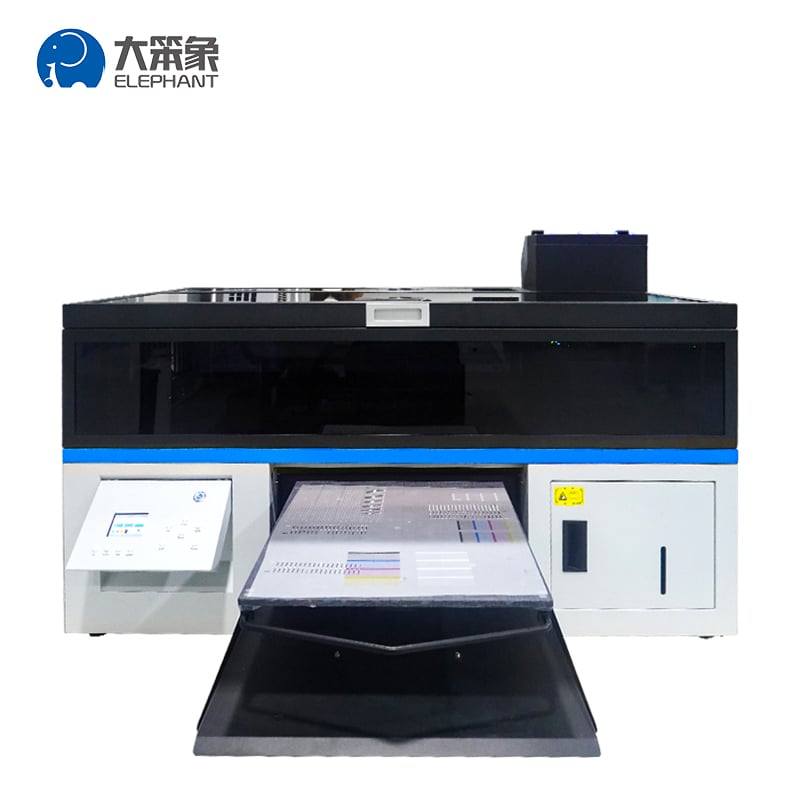
When choosing between printing technologies, understanding the differences between sublimation vs DTF is critical for making the right investment. Both sublimation and DTF printing have revolutionized the custom apparel and product decoration industry, but they operate on fundamentally different principles and serve distinct business needs. This comprehensive guide explores sublimation vs DTF to help you determine which technology aligns with your production goals, budget, and target market.
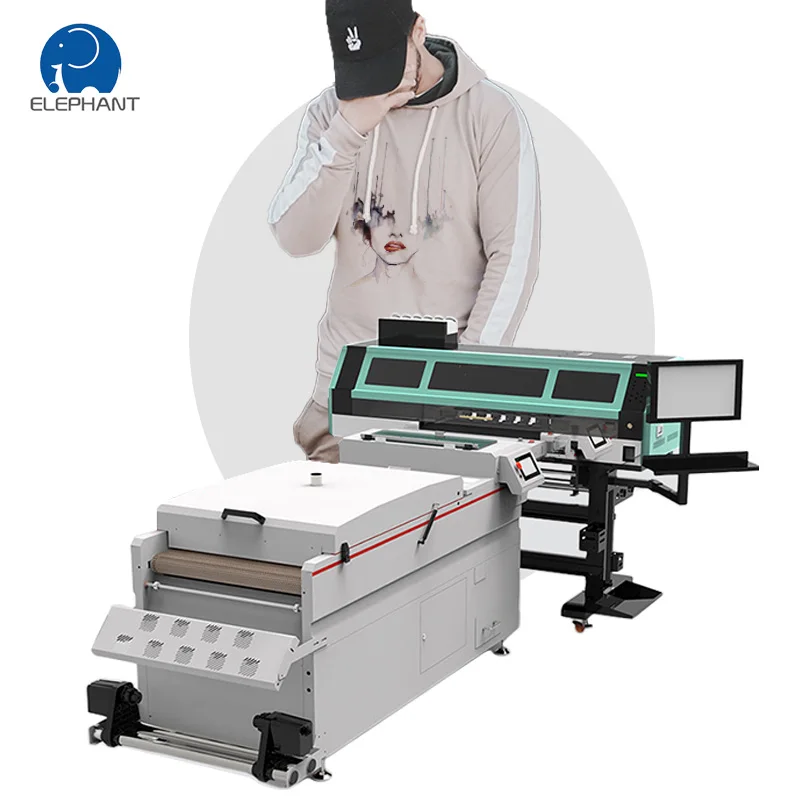
Deciding between sublimation vs DTF requires understanding not just the technology itself, but also how each method impacts your bottom line, production speed, and product versatility. The choice between sublimation vs DTF will shape your operational capabilities, material compatibility, and competitive positioning in the market. Let's explore the key factors that distinguish these two powerful printing approaches.
Understanding Core Differences Between Sublimation vs DTF
How Sublimation vs DTF Operate Differently
Sublimation vs DTF represent two distinct approaches to digital printing. Sublimation printing uses heat to transform solid dyes into gas, which then bonds directly with polyester fibers or special coatings. The sublimation vs DTF comparison reveals that sublimation requires the material to contain polyester or a receptive coating. DTF printing, conversely, applies pigment-based ink directly onto a film, which is then heat-transferred to any fabric type using a heat press. This fundamental difference in sublimation vs DTF mechanics means each technology has unique substrate requirements and application versatility.
The technical foundation of sublimation vs DTF printing creates completely different workflows. With sublimation vs DTF, the ink delivery system differs significantly—sublimation uses heat-activated dyes while DTF uses physical ink transfer. Understanding this distinction in sublimation vs DTF helps explain why certain materials work better with one technology over another. DTF offers broader fabric compatibility, while sublimation vs DTF analysis shows sublimation delivers superior color vibrancy on polyester-based materials.
Material Compatibility in Sublimation vs DTF
Material selection becomes critical when evaluating sublimation vs DTF for your operation. Sublimation vs DTF comparison shows that sublimation works best on polyester garments, mugs with polyester coating, ceramic tiles, and other items with receptive surfaces. DTF printing demonstrates broader versatility—sublimation vs DTF in this regard shows DTF handles cotton, blends, polyester, nylon, and virtually any woven fabric. This makes sublimation vs DTF particularly relevant for businesses needing to print diverse fabric types. If your market demands cotton apparel and blended materials, sublimation vs DTF analysis typically favors DTF technology.
The material advantage in sublimation vs DTF continues to shape industry adoption patterns. Comparing sublimation vs DTF reveals that sublimation limits you to polyester-dominant fabrics, while the DTF printing advantage in sublimation vs DTF comparison allows cotton and natural fiber production. This flexibility makes sublimation vs DTF a critical decision point for custom apparel businesses targeting eco-conscious consumers preferring natural fibers.
Production Speed and Cost Analysis in Sublimation vs DTF
Speed Efficiency: Sublimation vs DTF Comparison
Production throughput represents a major factor in sublimation vs DTF decision-making. Sublimation vs DTF comparison shows sublimation offers faster production once artwork is prepared, as it requires only one heat-press cycle per item. DTF printing in sublimation vs DTF analysis requires curing time for the ink after transfer, which can extend total production time per unit. However, sublimation vs DTF speed advantages depend on your specific setup—batch size, equipment specifications, and workflow integration all influence whether sublimation vs DTF produces faster results for your operation.
When evaluating sublimation vs DTF for production planning, consider that sublimation vs DTF comparison reveals sublimation handles high-volume runs efficiently, while DTF excels at smaller batches with design variation. The speed advantage in sublimation vs DTF largely depends on your order patterns and customer base.
Investment and Operating Costs in Sublimation vs DTF
Financial considerations make sublimation vs DTF comparison essential for business planning. Initial equipment investment for sublimation vs DTF shows both technologies require comparable press equipment, but ink and material costs differ significantly. Sublimation vs DTF analysis reveals that DTF ink generally costs more per unit than sublimation dyes, though material waste differs between approaches. When calculating sublimation vs DTF total cost of ownership, factor in substrate costs—polyester for sublimation vs DTF typically costs less than speciality transfer film. The sublimation vs DTF financial equation depends on your specific volume, material mix, and pricing strategy.
Long-term profitability in sublimation vs DTF comparison requires analyzing ink consumption, material efficiency, and labor requirements. Businesses choosing sublimation vs DTF based purely on equipment cost miss critical operating expense factors that determine actual profitability.
Quality, Durability, and Market Positioning in Sublimation vs DTF
Print Quality and Color Output
Visual quality drives customer satisfaction and pricing power in sublimation vs DTF markets. Sublimation vs DTF comparison shows sublimation produces vivid, photorealistic colors on polyester materials with excellent color saturation and detail reproduction. DTF printing in sublimation vs DTF analysis delivers solid color performance on cotton and blends, though some consumers note DTF transfers can feel slightly different texturally compared to sublimation prints. The sublimation vs DTF quality distinction matters most when targeting photography-based designs or gradient-heavy artwork where sublimation vs DTF color depth becomes the deciding factor.
Market positioning based on sublimation vs DTF quality can influence your brand perception and price positioning. Premium custom apparel brands often leverage sublimation vs DTF comparison results showing sublimation's superior color vibrancy to justify higher pricing, while DTF's versatility appeals to businesses needing cotton product lines.
Durability and Longevity Factors
Garment longevity represents a critical quality metric in sublimation vs DTF consumer perception. Sublimation vs DTF comparison indicates that sublimation creates permanent prints that won't crack, fade, or peel when properly applied to polyester, as the dye becomes part of the fiber itself. DTF printing in sublimation vs DTF analysis shows good durability on cotton with proper curing and heat-setting, though DTF transfers may eventually show slight wear with intensive washing compared to sublimation results. When evaluating sublimation vs DTF for your target market, consider customer expectations around garment lifespan and washing frequency.
Warranty and customer satisfaction concerns in sublimation vs DTF comparison may favor sublimation for high-end apparel, while DTF's practicality makes sublimation vs DTF suitable for price-conscious retail segments seeking reliable, affordable custom printing solutions.
FAQ
Can sublimation vs DTF printing be used on the same equipment?
No, sublimation vs DTF printing requires different equipment configurations and inks. While both use heat presses for finishing, the printer hardware, ink systems, and transfer methods in sublimation vs DTF are fundamentally incompatible. Converting from sublimation vs DTF printing requires purchasing separate printer units and learning different workflow processes. Some facilities maintain both sublimation vs DTF systems to serve diverse customer needs, though this requires significant capital investment and operational complexity.
Which is more suitable for custom t-shirt businesses using sublimation vs DTF?
The answer depends on your material focus. If your business emphasizes 100% cotton shirts, sublimation vs DTF analysis shows DTF printing is superior since sublimation requires polyester content. For polyester-blended shirts and premium athletic wear, sublimation vs DTF comparison favors sublimation technology. Many successful operations evaluate sublimation vs DTF by analyzing their specific customer orders and material preferences before deciding which technology best serves their market segment.
How does price point differ between sublimation vs DTF printed products?
Retail pricing in sublimation vs DTF markets varies based on material costs, production volume, and market positioning. Sublimation vs DTF comparison shows sublimation polyester items often retail at competitive price points due to lower material costs, while DTF cotton products command premium pricing when marketed as natural-fiber alternatives. The sublimation vs DTF pricing strategy should reflect your production costs, target market expectations, and competitive positioning rather than simply mirroring competitor pricing.