 EN
EN

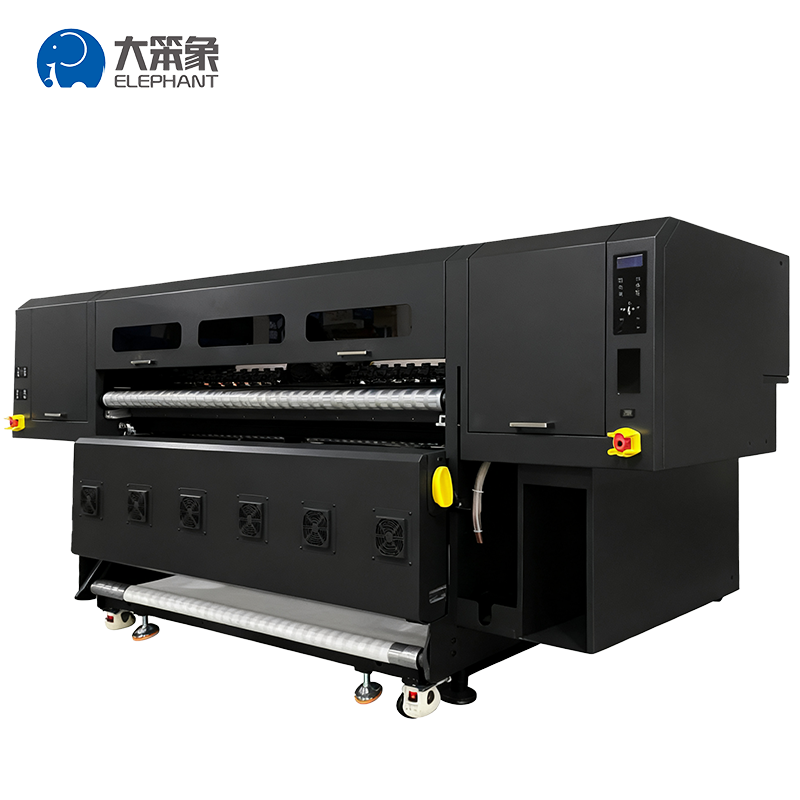
Digital sublimation printing has revolutionized the way businesses produce custom apparel, promotional items, and specialty products. This advanced technology transfers vibrant, full-color designs directly onto fabric and rigid substrates through a heat-based process that bonds dye particles at the molecular level. Understanding the distinctions between different digital sublimation printing systems and equipment solutions is essential for manufacturers and print shops seeking to optimize production quality, speed, and profitability in an increasingly competitive market.
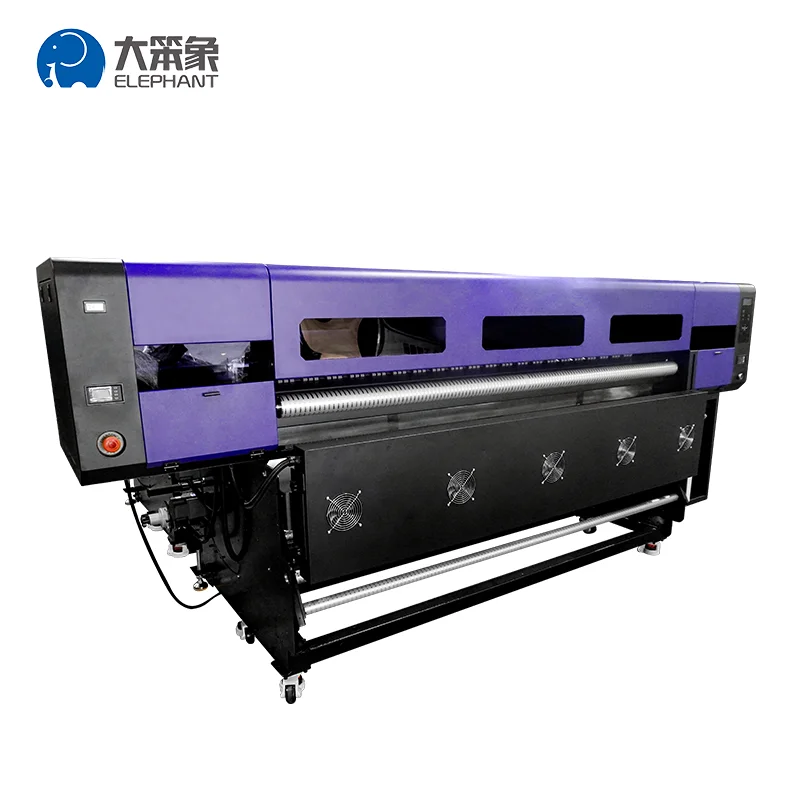
Selecting the right digital sublimation printing equipment requires careful evaluation of technology type, production volume, material compatibility, color accuracy, and total cost of ownership. Whether you operate a small custom shop or a high-volume manufacturing facility, the choice between entry-level and industrial-grade digital sublimation printing systems will directly impact your operational efficiency, product quality, and competitive positioning. This guide compares the major approaches and solutions available today so you can make an informed investment decision.
Understanding Digital Sublimation Printing Technology
How Digital Sublimation Printing Works
Digital sublimation printing begins with a digitally designed image that is printed onto specially treated sublimation transfer paper using sublimation inks. These inks contain dyes that, when heated, transform directly from a solid state to a gas without passing through a liquid phase. During the heat transfer stage, the garment or substrate is placed on a heated press with the printed transfer paper, and pressure combined with elevated temperatures causes the sublimated dye particles to penetrate the material's fibers at a molecular level. This process creates permanent, vibrant colors that won't fade, crack, or peel, making digital sublimation printing ideal for producing high-quality, durable products that maintain color brilliance through countless wash cycles.
The chemistry behind digital sublimation printing ensures that the dye becomes part of the material itself rather than sitting on the surface like traditional screen printing. This molecular bonding delivers superior color saturation, fine detail reproduction, and durability compared to other transfer methods. Digital sublimation printing is particularly effective on polyester fabrics and specially coated hard goods, making it the preferred choice for athletic wear, home décor items, drinkware, and specialty merchandise.
Key Advantages of Digital Sublimation Printing
Digital sublimation printing offers significant advantages over traditional printing methods. The process eliminates the need for screens, stencils, or color separations, allowing you to print unlimited colors in a single pass, which dramatically reduces setup time and production complexity. Because digital sublimation printing requires minimal pre-press work, your team can move from design to production in hours rather than days, enabling faster turnaround times and lower minimum order quantities. Color accuracy is exceptional, with the ability to reproduce photographic images, gradients, and complex artwork with stunning clarity that satisfies even the most demanding clients.
From a waste reduction perspective, digital sublimation printing is highly efficient because it uses only the ink needed for each design, eliminating excess material typical of traditional methods. Operational costs decrease over time as you scale production, since digital sublimation printing equipment amortizes across larger production volumes without requiring additional setup investment per order. For businesses seeking to differentiate their offerings through premium custom products, the combination of speed, quality, and flexibility makes digital sublimation printing a strategic competitive advantage.
Comparing Digital Sublimation Printing Equipment Solutions
Entry-Level Digital Sublimation Printing Systems
Entry-level digital sublimation printing equipment serves small print shops, boutique producers, and businesses just entering the custom apparel market. These compact systems typically include a desktop inkjet printer modified for sublimation inks, sublimation-specific software, and a basic heat press. Entry-level digital sublimation printing setups require minimal floor space and initial capital investment, making them accessible for startups and entrepreneurs testing market demand. However, production speed is limited to several dozen units per hour, and print area dimensions typically max out at sixteen by twenty inches, restricting the types of products you can create.
When evaluating entry-level digital sublimation printing solutions, carefully assess ink costs, print head durability, and software compatibility with your design workflow. Many entry-level systems produce excellent quality for lower-volume orders, but users should anticipate learning curves with color profile management and heat transfer timing. For businesses producing fewer than one hundred custom orders monthly, entry-level digital sublimation printing equipment often delivers solid return on investment without overwhelming complexity or operational demands.
Mid-Range and Industrial Digital Sublimation Printing Equipment
Mid-range and industrial-grade digital sublimation printing systems are engineered for production shops and larger manufacturers handling sustained order volumes and diverse product categories. These robust machines feature wider print widths, faster output speeds, advanced color management systems, and heated platens designed for precision heat transfer across varied substrate types. Industrial digital sublimation printing equipment typically prints at speeds exceeding one hundred units hourly, with print widths extending to sixty inches or more, enabling production of large-format apparel, bedding, and custom signage.
Premium digital sublimation printing solutions integrate automated color profiling, machine vision quality control, and networked production scheduling to streamline complex manufacturing workflows. These systems require dedicated facility infrastructure, including stable power supplies, humidity-controlled environments, and skilled operator training, yet they justify these demands through high throughput, consistent quality, and ability to handle complex, multi-unit orders. For organizations producing over five hundred custom items monthly, investing in industrial-grade digital sublimation printing equipment typically reduces per-unit production costs and enables premium pricing through superior product quality.
Materials, Substrates, and Compatibility Considerations
Polyester and Synthetic Fabric Applications
Polyester and polyester-blend fabrics represent the primary substrate category for digital sublimation printing, since the dye sublimation process bonds perfectly with synthetic fibers. T-shirts, athletic jerseys, performance wear, and promotional apparel manufactured from one hundred percent polyester or high-polyester blends deliver vibrant, fade-resistant colors when produced using digital sublimation printing technology. The molecular nature of digital sublimation printing ensures that colors remain vivid through extended outdoor exposure, repeated laundering, and industrial washing cycles, making polyester products ideal for corporate uniforms, sports teams, and outdoor merchandise.
For maximum color saturation with digital sublimation printing, select light-colored or white polyester base materials, as darker backgrounds can muddy color reproduction and reduce design impact. Pre-treatment solutions are available that extend digital sublimation printing compatibility to cotton and cotton-blend fabrics, though results vary and typically require additional processing steps. Understanding substrate compatibility ensures your digital sublimation printing investments deliver optimal returns across your target product portfolio.
Hard Goods and Specialty Substrates
Beyond textiles, digital sublimation printing extends to specialty hard goods including mugs, phone cases, puzzles, jigsaw puzzles, and decorative tiles, provided these items feature polyester coating or sublimation-receptive surfaces. Sublimation blanks represent pre-manufactured products with factory-applied sublimation-compatible coatings that enable direct application of digital sublimation printing technology. The expansion into hard goods opens revenue opportunities beyond traditional apparel, allowing print shops to offer comprehensive custom product catalogs using the same digital sublimation printing infrastructure.
When exploring hard goods applications, verify that selected blank manufacturers maintain consistent coating thickness and quality, as variations directly impact digital sublimation printing results and color consistency. Investing in a digital sublimation printing machine with adjustable platen heating and multiple size cavities maximizes your ability to expand into these higher-margin product categories.
FAQ
What is the difference between digital sublimation printing and screen printing?
Digital sublimation printing and screen printing differ fundamentally in their transfer mechanisms and capability profiles. Screen printing uses color-separated screens and pushes ink through mesh onto fabric surfaces, limiting color complexity and requiring extensive pre-press setup for multi-color designs. Digital sublimation printing uses heat to bond dye molecules directly within fabric fibers, enabling unlimited full-color reproduction, faster setup, and superior durability without color separation or screen management. For custom orders with photographic content or unlimited color variation, digital sublimation printing delivers faster turnaround and higher quality than screen printing.
How much does quality digital sublimation printing equipment typically cost?
Entry-level digital sublimation printing systems range from three thousand to eight thousand dollars, while mid-range industrial equipment costs between fifteen thousand and forty thousand dollars. High-end production-scale digital sublimation printing installations can exceed one hundred thousand dollars when including auxiliary equipment, facilities modification, and software licensing. Total cost considerations should include ongoing supplies such as sublimation inks, transfer paper, blank inventory, and maintenance, which collectively represent thirty to forty percent of annual operating expenses for active digital sublimation printing operations.
Can digital sublimation printing produce high-quality results on one hundred percent cotton?
Pure cotton does not naturally accept sublimation dyes because cotton fibers lack the synthetic structure that bonds permanently with sublimated dyes. However, specially formulated pre-treatment solutions can chemically modify cotton fabrics to enable digital sublimation printing compatibility, though results remain less vibrant and durable than sublimation printing on polyester. Most professional digital sublimation printing operations recommend polyester or high-polyester blend fabrics for optimal color saturation, permanence, and customer satisfaction, reserving cotton applications for niche markets where aesthetic compromise is acceptable.