 EN
EN

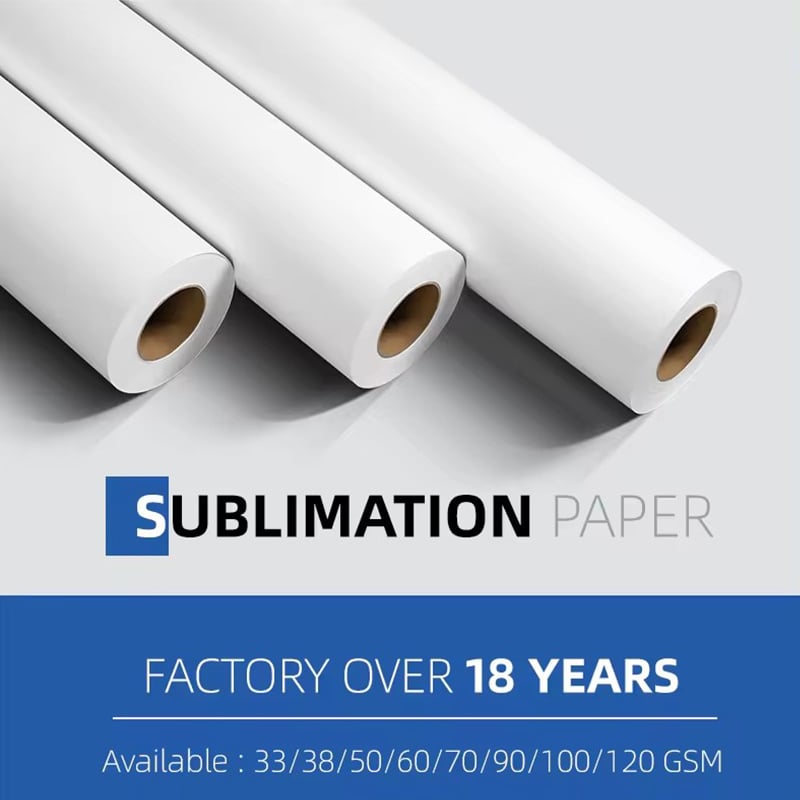
Tanlash va sotib olish sublimatsiya qog'ozi sizning bosma sifatingiz va loyiha natijalaringizga to'g'ridan-to'g'ri ta'sir qiladigan bir nechta texnik va amaliy omillarni tushunish talab qilinadi. Siz kommersial bosma korxonasi boshqarayotgan bo'lsangiz, maxsus kiyim biznesini yuritayotgan bo'lsangiz yoki ichki ishlab chiqarish bo'limini boshqarayotgan bo'lsangiz, to'g'ri sublimatsiya qog'ozi yashil, uzoq muddatli chop etilgan natijalar va noqulay natijalar o'rtasida farq qilishi mumkin. Bu qo'llanma sizni sotib olish jarayonidagi har bir muhim qaror nuqtasidan o'tkazadi: ishlab chiqarish ehtiyojlaringizni aniqlashdan boshlab, yetkazib beruvchilarni baholash va xavfsizlik bilan sotib olishga qadar.
Bozor uchun sublimatsiya qog'ozi matolardan keramikaga va qattiq buyumlarga qadar turli sohalarda bo'ronli rivojlanayotgan bo'lib, bu texnologiya samaradorlik va rang aniqiligini tan olmoqda. Biroq, barcha sublimatsiya qog'ozi mahsulotlar bir xil samarali emas va sotib olish qarorlari uskunalar mosligi, substrat maqsadlari, hajm talablari va byudjet cheklovlari hisobga olinishi kerak. Sotib olishdan oldin ushbu o'zgaruvchilarni tushunish sublimatsiya qog'ozi sizning investitsiyangiz ishlab chiqarish imkoniyatlaringiz va biznes maqsadlaringizga mos kelishini ta'minlaydi.
Sublimatsiya qog'ozining texnik xususiyatlari va darajalari
Sublimatsiya qog'ozining og'irligi va qalinligi toifalari
Sublimatsiya qog'ozi turli og'irlik darajalarida mavjud bo'lib, odatda kvadrat metrda 30 gramm (gsm) dan 100 gsm gacha o'zgaradi. Sizning sublimatsiya qog'ozi to'g'ridan-to'g'ri qizdirish bosimi jarayonida bo'yoq qog'ozdan sizning materialingizga qanchalik tez o'tishini ta'sirlaydi. Yengil darajali nusxalar, masalan, 30 gsm dan 50 gsm gacha sublimatsiya qog'ozi , paxta va poliester kabi tabiiy tolali gazlamalarga eng yaxshi mos keladi, chunki bu yerda tez bo'yoq migratsiyasi talab etiladi. Og'ir darajali nusxalar, jumladan, 70 gsm dan 100 gsm gacha sublimatsiya qog'ozi , uzunroq o'tkazish oynasini ta'minlaydi va qizdirishni boshqariladigan, maqsadli tarzda qo'llash kerak bo'lgan qattiq materiallar, seramika va qattiq substratlarga ajoyib mos keladi. Sotib olish paytida sublimatsiya qog'ozi , rangning to'yinganligi va tafsilotlarning saqlanishi — mijozlaringiz kutgan natijalarga erishish uchun sizning aniq jihozingiz va substrat turiga mos og'irlik darajasini tanlash juda muhim.
Qoplam texnologiyasi va qog'oz asosining xususiyatlari
Qo'llaniladigan qoplam sublimatsiya qog'ozi issiqlik bilan o'tkazish paytida qog'ozning bo'yoqni qanchalik samarali chiqarishini aniqlaydi. Sifatli sublimatsiya qog'ozi maxsus ishlab chiqilgan qoplamga ega bo'lib, u sublimatsiya bo'yoqlarini so'radi, lekin aniq chiqarish vaqtini saqlab turadi. Qoplam ostidagi qog'oz asosi ham qat'iy standartlarga javob berishi kerak; past sifatli sublimatsiya qog'ozi qog'ozning tolalar zichligi bir xil bo'lmasa, bo'yoqni yutish bir xil emas bo'ladi va yakuniy chop etilgan nusxalarda rangli chiziqlar yoki dog'lar hosil bo'ladi. Sotib olishdan oldin sublimatsiya qog'ozi , mahsulotning qoplam tarkibi va asosiy qog'oz sifati haqida batafsil texnik xarakteristikalarga ega ekanligini tekshiring. Ko'plab ishlab chiqaruvchilar o'zlarining sublimatsiya qog'ozi qog'ozlari qanday printer modellari va issiqlik bosimi sozlamalari bilan qanday ishlashini ko'rsatadigan sinov ma'lumotlarini taqdim etadi, shu tufayli siz ishlab chiqarish jarayoningizda bashorat qilinadigan natijalarga erishishingizga ishonchingiz hosil bo'ladi. sublimatsiya qog'ozi sizning
Uskunalar mosligini baholash va sinov talablarini tekshirish
Printer modeli va bo'yoq tizimi mosligi
Har bir printer modeli qog'oz qalinligi, qoplam bilan o'zaro ta'siri va bo'yoqni yutish tezligi bo'yicha o'ziga xos xususiyatlarga ega bo'lib, shuning uchun siz sublimatsiya qog'ozi sotib olganda moslik muhim omil hisoblanadi. Sublimatsiya chop etish bozorida hukm suraydigan piezoelektrik printerlar sublimatsiya qog'ozi qog'ozning qo'rilishini yoki inkorning noto'g'ri joylashishini oldini olish uchun aniq qalinlikda. Ba'zi boshlang'ich darajadagi sozlamalarda foydalaniladigan issiqlikli inkjet tizimlari o'lchamlarda biroz kengroq imkoniyatlarga chidamli bo'lishi mumkin. sublimatsiya qog'ozi katta miqdordagi sublimatsiya qog'ozi ni sotib olishdan oldin uskunangiz ishlab chiqaruvchisining tasdiqlangan media ro'yxatiga murojaat qiling va ishlab chiqarish jarayoningizda sinov partiyasini o'tkazing. Sinovni haqiqiy printer, inkor va issiqlik presi sozlamalari bilan o'tkazish taxminlar o'rniga aniq natijaga olib keladi va to'liq bo'yoq o'tishining yo'qligi, ranglarning o'zgarishi yoki substratga yopishish muammolari kabi potensial muammolarni mijozga yetkaziladigan mahsulotlarga ta'sir qilishidan oldin aniqlab beradi. sublimatsiya qog'ozi bilan
Issiqlik presi harorati va davomiyligi sozlamalari
Og'irligi va qoplama turiga qarab o'zgaradi va noto'g'ri sozlamalar materialni xarob qilish va uskunalarga zarar yetkazishiga sabab bo'ladi. Yengil sublimatsiya qog'ozi darajalari qog'ozning qo'rilishini va ranglarning noxohishli o'zgarishini oldini olish uchun pastroq harorat va qisqa vaqt talab qiladi, shu bilan birga og'ir sublimatsiya qog'ozi to'liq bo'yoq migratsiyasi uchun yuqori issiqlik va uzunroq aloqa davomiyligini talab qiladi. Siz sublimatsiya qog'ozi sotib olganda sublimatsiya qog'ozi , yetkazib beruvchi sizning maxsus substrat kombinatsiyalaringiz uchun tavsiya etilgan harorat doiralari, bosim sozlamalari va qolish vaqtini ko'rsatadigan texnik ma'lumotnoma taqdim etishi kerak. Sizning xarid qilishingizdan oldin sinov protokolini o'rnatish sizga har bir sublimatsiya qog'ozi siz foydalanmoqchi bo'lgan darajada optimal sozlamalarni hujjatlarga tushirish imkonini beradi va bu ishlashni takrorlash mumkin bo'lgan standart operatsion protsedurani yaratadi, bu esa chiqimlarni minimal darajada kamaytiradi va barcha ishlab chiqarish jarayonlari bo'ylab natijalarning barqarorligini ta'minlaydi.
Hajmli ehtiyojlarni baholash, xarajatlar tuzilmasini va yetkazib beruvchining ishonchliligini baholash
Istehlak darajasini va buyurtma miqdorini hisoblash
Sizning oylik yoki choraklik ishlab chiqarish hajmingiz to'g'ridan-to'g'ri siz bir vaqtda qancha sublimatsiya qog'ozi xarid qilishingizni belgilaydi va umumiy birlik narxiga ta'sir qiladi. Doimiy sublimatsiya ishlab chiqarishini amalga oshiradigan yuqori hajmli ishlab chiqarish korxonalarida sublimatsiya qog'ozi bundan foydalanish uchun katta miqdordagi xaridlar qilish maqsadga muvofiq bo'lishi mumkin, chunki bu birlik narxini yaxshilash imkonini beradi. Kichik do'konlar yoki mavsumiy ishlab chiqarish korxonalarida saqlash quvvati bilan kattaroq sublimatsiya qog'ozi buyurtmalar orqali oladigan xarajatlardan tejab qolish o'rtasidagi muvozanatni saqlash kerak, chunki sublimatsiya qog'ozi sifat namlik yoki harorat barqaror bo'lmagan sharoitda saqlanganida pasayishi mumkin. O'rtacha ish hajmi va ishlab chiqarish jadvallariga asoslanib, kunlik, haftalik yoki oylik iste'molni hisoblang, so'ngra ortiqcha zaxira hosil qilmasdan sizni yetkazib berish uchun optimal sublimatsiya qog'ozi buyurtma hajmini aniqlash uchun orqaga qarab ishlang. Ko'p sonli etkazib beruvchilar kattaroq miqdordagi sublimatsiya qog'ozi xarid qilganda birlik narxini kamaytiradigan darajali narx modellarini taklif qiladi, shu sababli iste'mol bazangizni tushunish sizga xarid qilganda yaxshiroq shartlar kelishish imkonini beradi. sublimatsiya qog'ozi partiyaviy ravishda.
Etkazib beruvchining samaradorligini va sifat doimiylikini baholash
Etkazib beruvchining ishonchliligi sizning ishlab chiqarish jadvallari va mahsulot sifatini doimiy saqlashingizga bevosita ta'sir qiladi, agar siz sublimatsiya qog'ozi etkazib beruvchilarni tanlasangiz. Ishonchli sublimatsiya qog'ozi etkazib beruvchilar qat'iy sifat nazorati protokollari, mahsulotlarni doimiylik uchun partiyaviy sinovdan o'tkazish va yetkazib berish muddatlari hamda zaxira mavjudligi haqida ochiq aloqa qilishni ta'minlaydi. Bir nechta sublimatsiya qog'ozi katta sotib olishga qaror qilishdan oldin yetkazib beruvchilarni tekshiring, rang aniq ligi, o'tkazish to'liqligi va substratga yopishuvni solishtirish uchun bir xil sinov bosmalarini amalga oshiring. Boshqa bosma korxonalari tomonidan foydalaniladigan yetkazib beruvchilarning sharhlari, sertifikatlari va havolalarini tekshiring. sublimatsiya qog'ozi o'rnatishda texnik yordam ko'rsatish, muammolarni hal qilish va zarur bo'lganda tezkor buyurtmalar berishga tayyorlik — bu sizning sublimatsiya qog'ozi sozlamangizda muammolarni hal qilish, shuningdek, zarur bo'lganda tezkor buyurtmalar berishga tayyorlik — bu asosiy narxdan tashqari qo'shimcha qiymat beradi. sublimatsiya qog'ozi va ishlab chiqarish kechikishlariga sabab bo'ladigan xarajatlardan biznesingizni himoya qiladi.
Tez-tez so'raladigan savollar
To'qima bosmasi uchun eng yaxshi sublimatsiya qog'oz og'irligi qanday?
To'g'ridan-to'g'ri to'qimaga sublimatsiya bosmasi uchun 30 gsm dan 50 gsm gacha sublimatsiya qog'ozi odatda poliester va poliester aralash to'qimalarga eng tez bo'yoq o'tkazishini va eng yorqin rang intensivligini ta'minlaydi. Bu yengil darajadagi sublimatsiya qog'ozi bo'yoq molekulalari issiqlik bosimi davomida to'qima tolalariga tezda o'tib, ajoyib yuvilishbarqarorligi bilan yorqin bosmalarni hosil qiladi. O'zingizning aniq sublimatsiya qog'ozi natijalarni optimallashtirishning eng ishonchli usuli — sizning jihozingiz va material turiga mos keladigan og'irlikni saqlashdir.
Sublimatsiya qog'ozini sifatini saqlash uchun qanday saqlash kerak?
Doʻkon sublimatsiya qog'ozi sovuq, quruq muhitda, nisbiy namlik darajasi 40% dan 60% gacha bo'lgan barqaror namlik sharoitida. sublimatsiya qog'ozi boshlang'ich qadoqlashida yoki maxsus idishlarda saqlang, chunki namlikni so'rish qoplamani buzadi va bosib chiqarishda qog'ozni o'tkazmay qo'yish kabi muammolarga sabab bo'ladi. Namlikni so'rish qoplamani buzadi va bosib chiqarishda qog'ozni o'tkazmay qo'yish kabi muammolarga sabab bo'ladi. sublimatsiya qog'ozi to'g'ridan-to'g'ri quyosh nuriga yoki harorat o'zgarishlariga qo'yilmasin, chunki bu sharoitlar bo'yoqning qoplamaga yopishishini va rangli moddalarning o'tish samaradorligini ta'sirlashi mumkin, shu holda sublimatsiya qog'ozi sizning jihozingizga yetib kelganda.
Oddiy inkjet qog'ozidan sublimatsiya qog'ozining o'rniga foydalanish mumkinmi?
Yo'q, oddiy inkjet qog'ozini issiqlik orqali o'tkazish usullarida sublimatsiya qog'ozi o'rniga ishlatish mumkin emas. Sublimatsiya qog'ozi maxsus qoplamaga ega bo'lib, u aniq haroratlarda bo'yoqni chiqarish uchun mo'ljallangan va issiqlik hamda bosim ostida qoplamani butunligini saqlaydi. Oddiy inkjet qog'ozlari bo'yoqni samarali o'tkazmaydi va issiqlik pres uskunasiga zarar yetkazishi mumkin, shuning uchun siz autentik sublimatsiya qog'ozi dye sublimation chop etish jarayonlari uchun maxsus loyihalangan.