 EN
EN

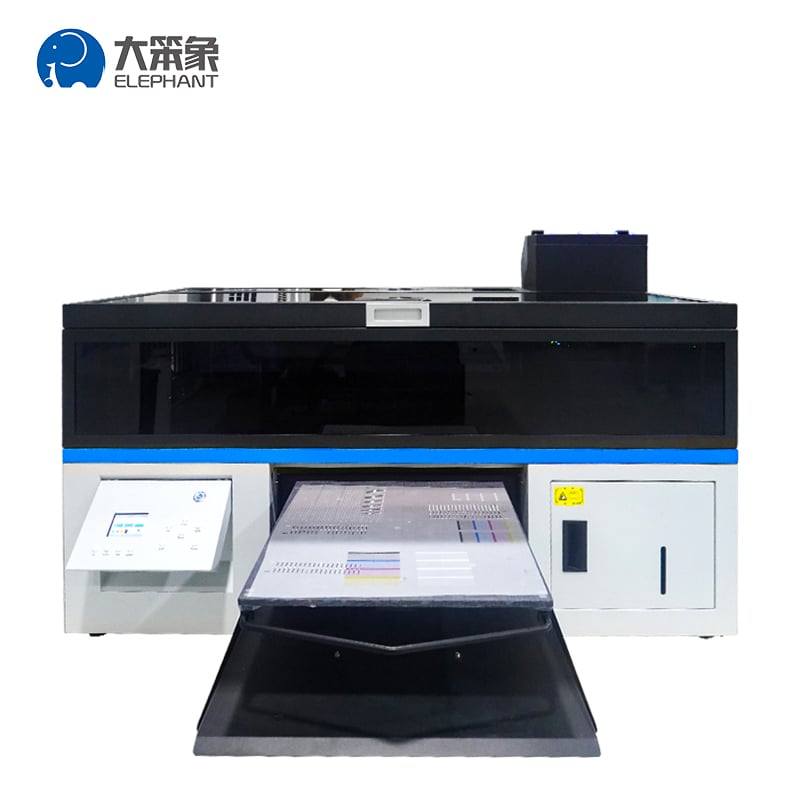
The choice between a dtg printer and traditional printing methods represents one of the most significant operational decisions for apparel businesses, print shops, and custom merchandise producers. Understanding the fundamental differences, cost structures, and practical applications of each technology is essential for making an informed investment that aligns with your business goals, production volume, and market positioning. A dtg printer delivers direct-to-garment printing capability that has transformed the custom apparel industry, but traditional methods still hold distinct advantages in specific scenarios.
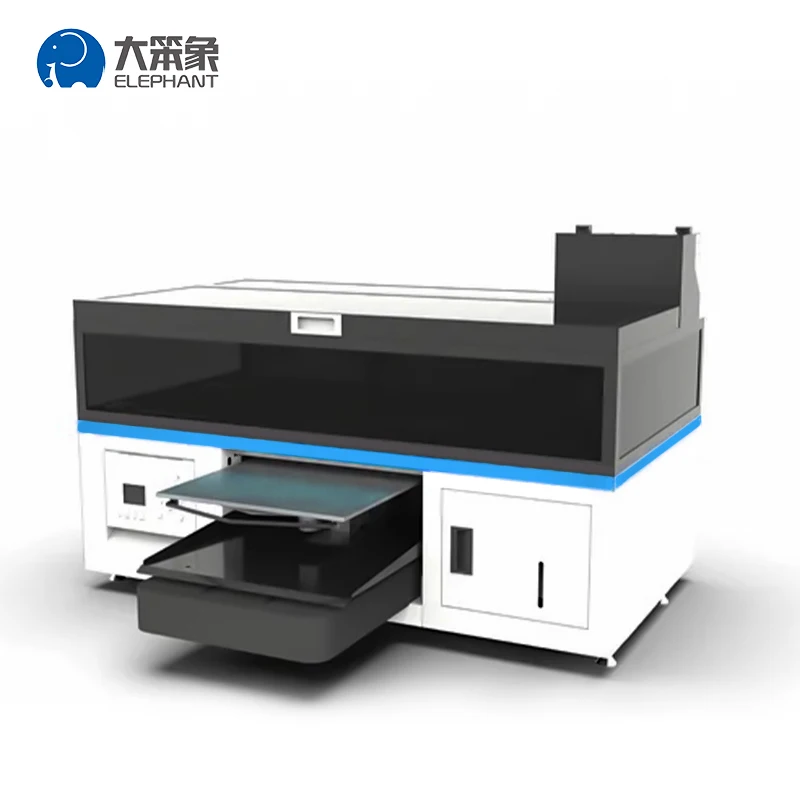
This comprehensive business analysis examines the operational, financial, and quality implications of both dtg printer technology and traditional printing approaches, helping you determine which solution best serves your production needs and revenue model. Whether you operate a small custom shop, manage a large-scale production facility, or are planning your first entry into the apparel printing market, the insights below will guide your technology selection strategy.
Understanding DTG Printer Technology and Traditional Methods
How a DTG Printer Works
A dtg printer applies water-based ink directly onto fabric using inkjet technology, similar to a desktop printer but engineered for textile substrates. The dtg printer creates vibrant, photorealistic images with exceptional color depth and detail reproduction. This technology eliminates the need for screens, plates, or color separations, allowing operators to print complex designs with minimal setup time. A dtg printer pre-treats the garment with a chemical solution that helps ink absorption and color permanence, then applies ink in precise layers to achieve the desired visual result.
Traditional Printing Methods Explained
Traditional screen printing, heat transfer, and sublimation represent the conventional approaches that have dominated the apparel industry for decades. Screen printing requires creating physical screens for each color layer, making it highly efficient for large runs but time-consuming for design changes. Heat transfer methods use pre-printed designs transferred via heat and pressure, while sublimation works on polyester and poly-blend fabrics using dye dispersal. Each traditional method excels within specific production volumes and fabric types, though they lack the design flexibility that defines modern dtg printer capabilities.
Cost Analysis: Initial Investment and Operational Expenses
Capital Equipment Costs
A dtg printer represents a substantial upfront investment, typically ranging from eight thousand to fifty thousand dollars depending on specifications, printing width, and automation features. Traditional screen printing setups require significantly lower initial capital, often costing between two thousand and ten thousand dollars for basic equipment. However, this comparison becomes more nuanced when considering that a dtg printer eliminates the ongoing expense of screen production, while traditional methods require investing in new screens for each design variation. A dtg printer's higher entry cost appeals to businesses planning rapid growth and design diversification, whereas traditional methods suit operations focused on high-volume single-design runs.
Ink, Supplies, and Maintenance
Operating a dtg printer involves ongoing expenses for specialized inks, pre-treatment chemicals, garment preparation supplies, and routine maintenance to prevent print head clogs and mechanical wear. Cost per garment with a dtg printer typically ranges from two to six dollars depending on design complexity and ink coverage. Traditional methods require screens, emulsion, and squeegee maintenance, with per-garment costs often lower for large runs but escalating when design variety increases. A dtg printer's supply chain centers on ink and pre-treatment, while traditional printing depends on screen availability and replacement frequency.
Production Volume, Quality, and Market Application Scenarios
Volume Economics and Break-Even Analysis
The dtg printer excels in low-to-medium volume production, custom orders, and on-demand business models where design variety drives revenue. A dtg printer becomes economically advantageous when you're printing fewer than fifty identical garments or handling frequent design changes. Traditional screen printing achieves superior cost efficiency above one hundred garments per design, making it ideal for bulk orders and seasonal collections. A dtg printer's break-even point typically occurs around fifty to one hundred garments depending on design complexity and ink coverage rates. Understanding your order mix—whether dominated by one-off custom requests or bulk production runs—determines which technology delivers better profitability and operational efficiency.
Quality, Durability, and Customer Expectations
A dtg printer produces photorealistic prints with gradients, fine details, and full-color designs impossible with traditional screen printing. The durability of dtg printer output depends on proper pre-treatment, ink quality, and washing procedure; most high-quality dtg printer installations produce garments that withstand one hundred washes while maintaining color vibrancy. Traditional screen printing offers proven longevity with proper execution, often lasting two hundred or more washes, making it preferable for workwear and items expecting heavy use. A dtg printer suits fashion-forward customers prioritizing visual impact and design flexibility, while traditional methods appeal to clients requiring maximum durability and willing to accept single or limited-color designs.
Market Positioning and Business Model Fit
Custom and On-Demand Business Models
A dtg printer fundamentally enables on-demand and made-to-order business models that generate premium pricing and reduce inventory risk. E-commerce platforms, print-on-demand services, and custom merchandise producers rely heavily on dtg printer technology because it allows accepting individual orders without minimum quantities. A dtg printer's ability to print different designs simultaneously on different garments makes it invaluable for Shopify stores, Etsy sellers, and businesses with constantly changing design portfolios. This flexibility transforms customer acquisition strategy, allowing businesses to offer customization as a core value proposition rather than a specialty service.
High-Volume and Seasonal Production
Traditional printing methods maintain superiority in high-volume seasonal runs, corporate bulk orders, and promotional campaigns where identical designs dominate production schedules. A dtg printer cannot compete on per-unit cost when printing ten thousand identical corporate shirts, making traditional screen printing the economically rational choice. However, modern businesses increasingly blend both technologies: operating a dtg printer for custom and small-batch orders while contracting out bulk runs to screen printing specialists. This hybrid approach maximizes profitability across diverse customer segments and order types, though it requires managing two different production workflows and supplier relationships.
FAQ
What is the typical return on investment timeline for a DTG printer?
Most businesses see positive ROI on a dtg printer investment within eighteen to thirty-six months, depending on order volume, average order value, and production efficiency. A dtg printer's ROI improves dramatically when you're currently outsourcing custom printing or turning away low-quantity orders. Faster returns occur in high-income markets where customers willingly pay premium prices for on-demand customization.
Can a DTG printer produce on all fabric types?
A dtg printer works best on cotton and cotton-blend fabrics because the pre-treatment process and water-based inks bond effectively to these materials. A dtg printer produces limited results on polyester, performance fabrics, and synthetic blends, where sublimation or heat transfer often delivers superior results. This fabric limitation means a dtg printer alone cannot serve all customer requests, sometimes requiring complementary traditional printing technologies.
How does a DTG printer compare for environmental sustainability?
A dtg printer produces less waste than traditional screen printing because it eliminates single-use screens and reduces water consumption during production. The water-based inks used in a dtg printer are generally more environmentally friendly than plastisol inks, though proper ink disposal remains important. A dtg printer's on-demand capability reduces overproduction and unsold inventory, aligning with circular economy principles that appeal to environmentally conscious consumers.